EVA International is one of the most curious institutional cases in the European biennial landscape: a small Irish midwest city that has, across nearly half a century, drawn curators who go on to shape the wider conversation.
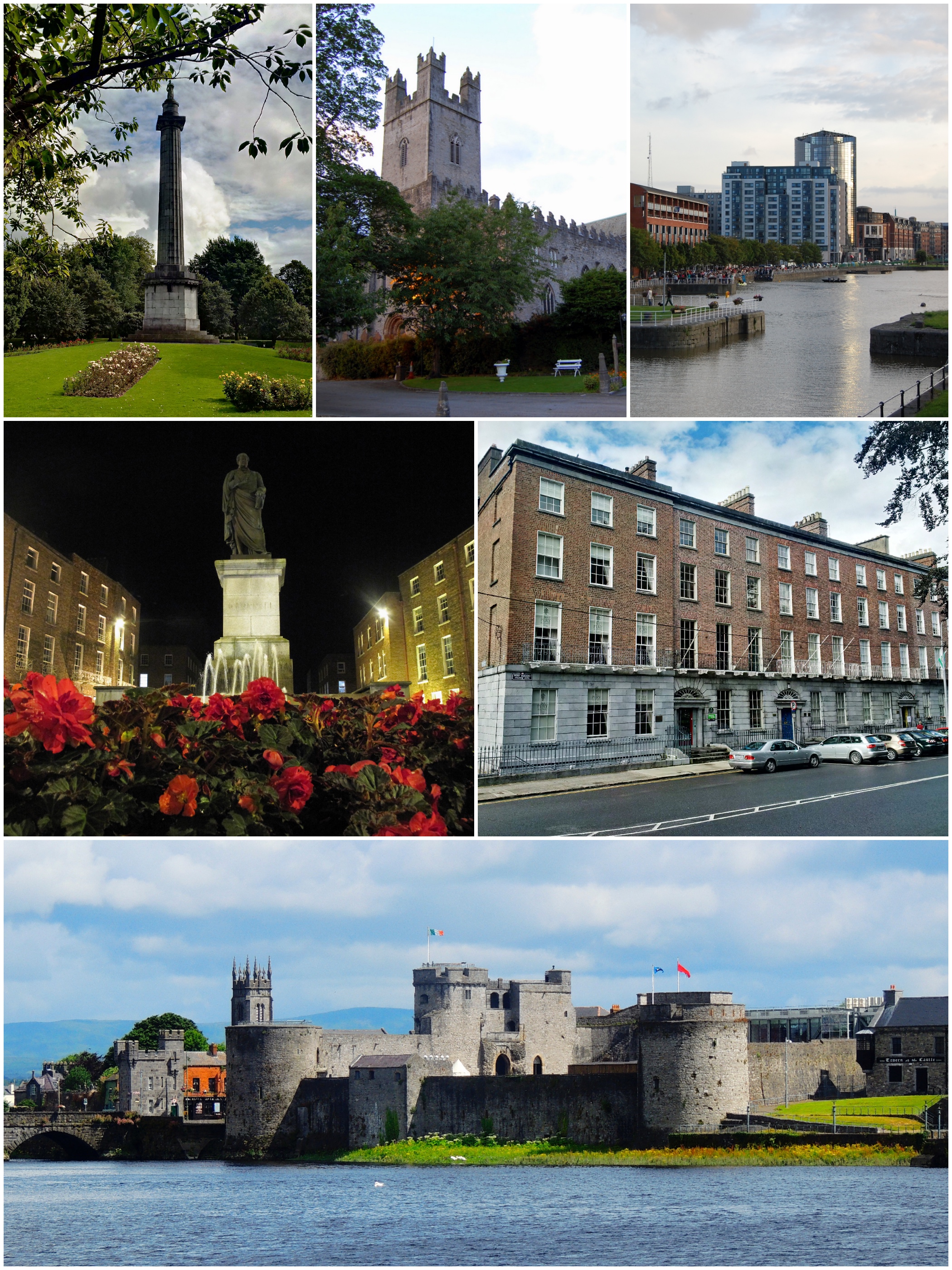
The first argument to make about EVA International is a geographic one. Limerick is a city of roughly ninety thousand people on the Shannon estuary, with no national contemporary art museum, no commercial gallery district of European weight, and none of the corporate infrastructure that surrounds Venice, Kassel, or even the smaller continental biennials. By every conventional measure of biennial geography (air-traffic, hotel capacity, collector base, critical press concentration), Limerick is peripheral. And yet EVA, since 1977, has continued to be programmed by curators whose subsequent careers have run through some of the most-watched institutional posts in the field.
The roll-call is unusual for a biennial of this scale. Jan Hoet, fresh from documenta IX, curated EVA in 1994. Apinan Poshyananda, who would go on to co-found the Bangkok Art Biennale, curated Heroes & Holies in 2002. Hou Hanru, by then one of the most-travelled curators in the field, took the 2008 edition. Annie Fletcher's 2012 After the Future ran with forty artists drawn from over two thousand proposals and registered sixty-five thousand visitors across a twelve-week programme; she subsequently became Director of IMMA in Dublin. Koyo Kouoh's 2016 Still (the) Barbarians, on the postcolonial condition, was followed by her appointment as Executive Director and Chief Curator of Zeitz MOCAA in Cape Town. Bassam El Baroni's 2014 AGITATIONISM, Inti Guerrero's untitled 2018 edition, Merve Elveren's 2020–21 Little did they know programme (framed by the nineteenth-century "Golden Vein" reference to the Limerick region), Sebastian Cichocki's 2023 The Gleaners Society, and Eszter Szakács's 2025 It Takes a Village all continued the pattern.
The editorial argument to draw from this is not that EVA is "punching above its weight"; that framing concedes the geographic hierarchy it is in fact challenging. The more useful reading is that EVA demonstrates what institutional patience over multiple decades can produce in a small city. The biennial's single-guest-curator model, the continuity of the host venues (Limerick City Gallery of Art, and an evolving constellation of citywide sites), and the willingness of the institution to absorb the conceptual ambition of each successive curator: these are the conditions that have made Limerick legible to the international curatorial conversation in a way that other small European cities are not.
The counter-question worth posing, then, is one that applies to the rest of the European biennial landscape: how many other small or mid-sized European cities could sustain a comparable institutional argument, if the founding decision had been made forty-eight years ago and the institutional patience had held? EVA's record suggests the answer is more than the contemporary biennial map admits.