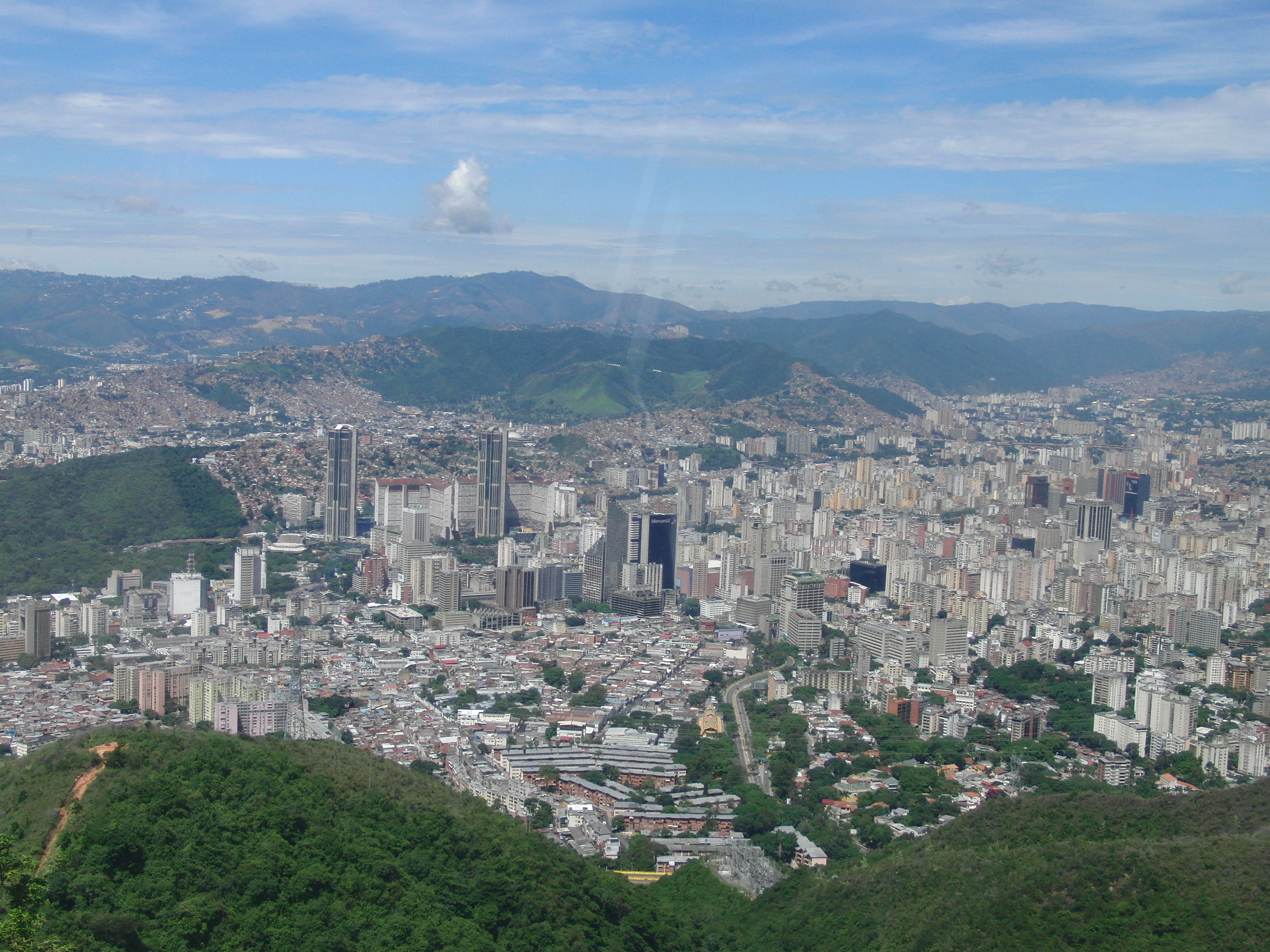
The Bienal del Sur: Pueblos en Resistencia (Biennial of the South: Peoples in Resistance) is the principal international biennial of contemporary art organised by the Venezuelan state. Founded in 2015 by the Ministerio del Poder Popular para la Cultura (MPPC) and operated by the Instituto de las Artes de la Imagen y el Espacio (IARTES), the programme has staged six editions across eleven years: Caracas in 2015–2016 and 2017–2018, Ciudad Bolívar in 2019, an online edition in 2021 during the COVID-19 pandemic, Aragua in 2023, and a return to Caracas in 2025–2026. The programmatic frame (that art operates as the echo of individual and collective voices committed to social justice, equality and solidarity south of an imagined political line, and that the biennial constitutes a contested space against what its organisers describe as the cultural hegemony of the Global North) is the institution's continuing thesis.
The sixth edition, El Poder de la Diversidad, was inaugurated on 10 October 2025 at the Museo de Bellas Artes (MBA) in the Plaza Morelos cultural quarter of Caracas, with additional programming across the Galería de Arte Nacional (GAN), the Museo de la Estampa y el Diseño Carlos Cruz-Diez, the Centro de Estudios Latinoamericanos Rómulo Gallegos (CELARG) and other state cultural venues in the capital. The Ministry's announcement placed the participating artist count at more than 150 from forty-five countries across Latin America, the Caribbean, Africa and Asia; the closing communiqué from Vice-Minister of Image and Space Arts Mary Pemjean placed the figure at 170 artists: eighty national, twenty-five international from eighteen countries, and a further sixty in the collective exhibition Venezuela tu mirada. The edition closed at the Cinemateca Nacional inside the Museo de Bellas Artes on 18 April 2026, after a six-month run.
An institution conceived as an alternative to the Global North
The structural feature that distinguishes the Bienal del Sur from the other principal Latin American biennials, São Paulo (founded 1951), Havana (founded 1984), Mercosul in Porto Alegre (founded 1997), Curitiba (founded 1993 as VentoSul), and the Argentine BIENALSUR (founded 2017 by the Universidad Nacional de Tres de Febrero), is that the Venezuelan biennial is explicitly state-organised, programmatically aligned with the political argument of the Bolivarian government, and run not from the academic or independent curatorial sector but from inside the Ministry of Culture itself. The proposal originated, in the institution's own account on the IARTES website, from "the conception of the political South of the world defined by Hugo Chávez", and the biennial's continuing argument is that it does not pursue commercial goals for art but rather frames art as a vital necessity and a register of historical memory for peoples in political resistance.
The founding edition (the I Bienal del Sur, Pueblos en Resistencia, which ran at the Museo de Bellas Artes in Caracas from November 2015 to February 2016) convened, according to the institution's own published figures, 138 artists from forty countries with the programmatic aim of building "bridges of cultural interaction from the peoples in resistance, located on five continents." The second edition (2017–2018) was housed at the Museo de Arte Contemporáneo de Caracas (MAC) and convened 81 artists from 35 countries with an international curatorial team including the Trinidadian artist Adele Todd, the Brazilian curator Angela Barbour (director of the Galería Marta Traba) and the Cuban researcher Dayalis González. The third edition (2019), inaugurated at the Museo de Arte Moderno Jesús Soto in Ciudad Bolívar, took the decolonisation of knowledge and art as its central argument with Bolivia as the honoured country, programmed within the framework of the bicentennial of the Discurso and Congreso de Angostura. The fourth edition (2021), held during the COVID-19 pandemic, ran as a hybrid digital-and-physical programme with 125 artists from twenty-seven countries and Colombia as honoured country, with works hosted on a dedicated portal at bienaldelsur.gob.ve. The fifth edition (2023), titled Calle, Memoria y Esperanza, moved the biennial out of Caracas entirely to the streets and public spaces of the Aragua municipalities of Girardot and Santos Michelena from 30 September to 15 December, a deliberate displacement from the museum into public space, with twelve invited countries and a curatorial committee that included the art historian Élida Salazar, the architect Edgar Cruz, the artist-scholar Evelio Salcedo, the sociologist Raúl Chacón, the aesthetics researcher Miguel A. Baloa and the artist Obed Delfín.