Your comprehensive guide to the logistics, venues, and experiences defining the 6th edition. Plan your visit to Fort Kochi, explore the heritage sites, and prepare for the 110 days of India's premier contemporary art exhibition.
Exhibition Venues Fort Kochi & Ernakulam
The Kochi-Muziris Biennale transforms historic buildings and public spaces across Fort Kochi, Mattancherry, and Ernakulam into temporary exhibition venues, creating a distinctive viewing experience where contemporary art engages directly with the architectural and cultural heritage of the city.
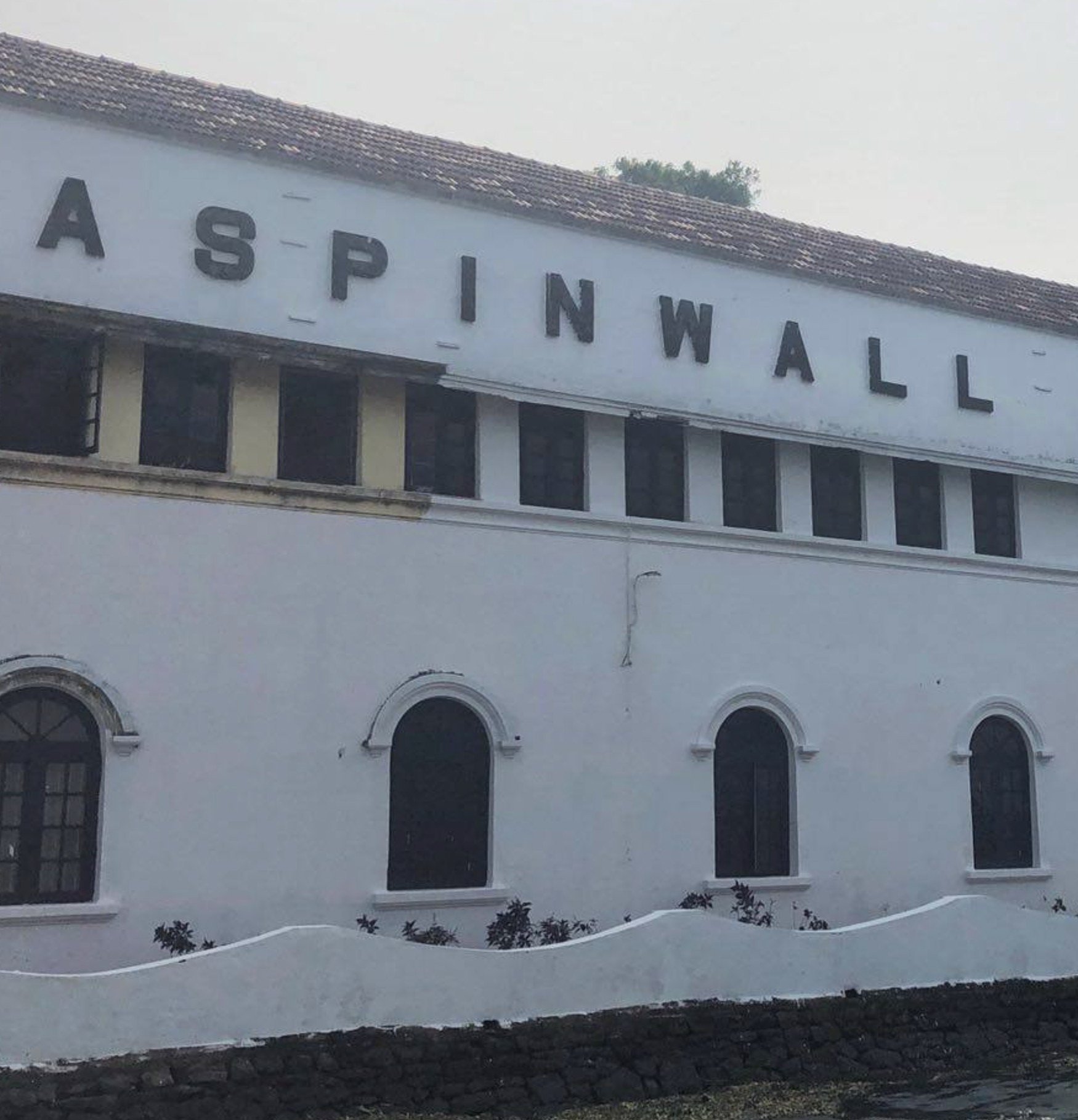
A sprawling colonial-era seafront property in Fort Kochi that serves as the main venue, with its numerous warehouse spaces, lawns, and courtyards providing diverse exhibition environments.
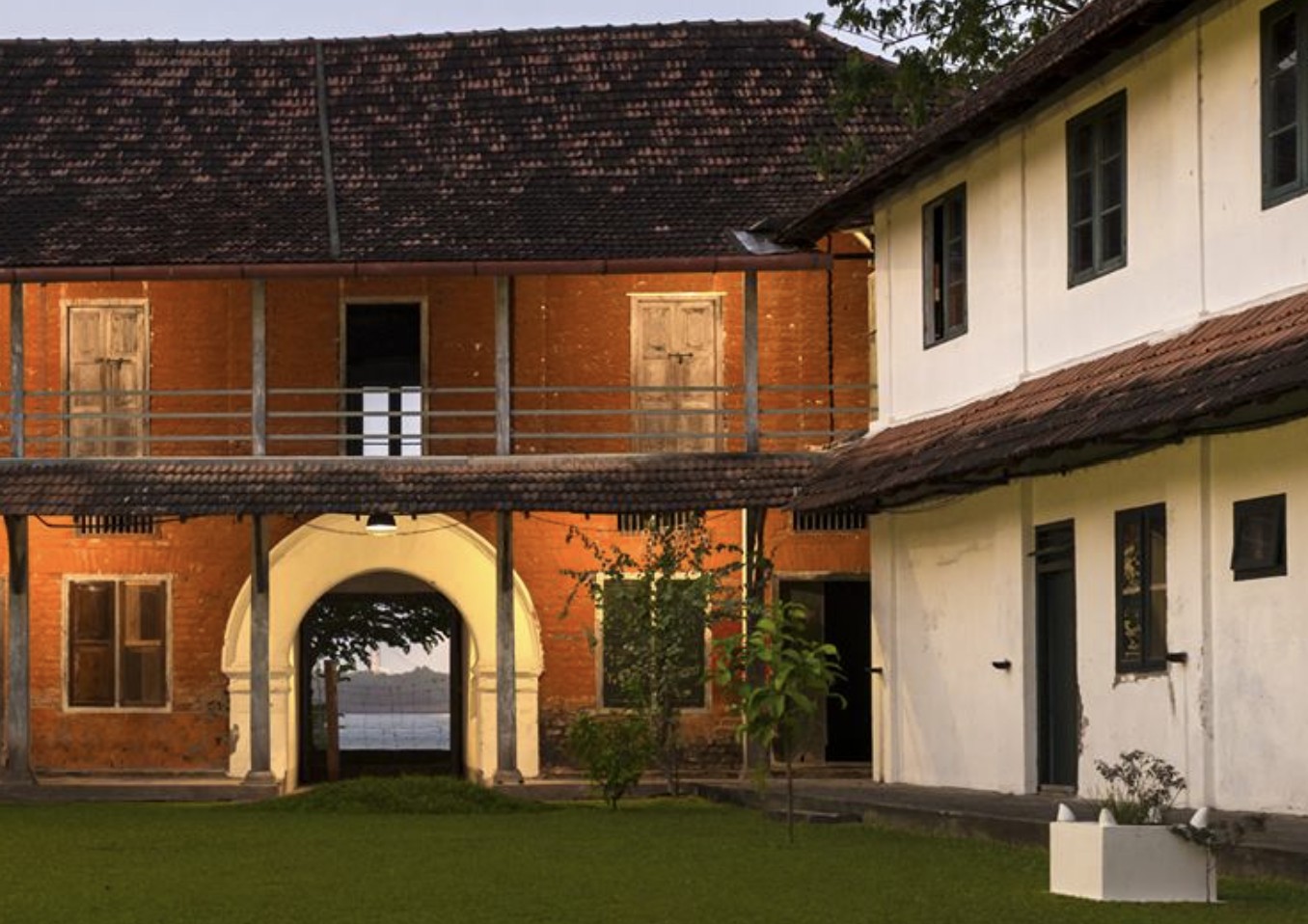
A renovated 16th-century warehouse complex with a courtyard, gallery spaces, and a library, offering views of the Arabian Sea and housing site-specific installations and video works.
A restored Dutch bungalow with a gallery space and garden, showcasing the architectural heritage of Fort Kochi's colonial past while hosting contemporary exhibitions.
A renovated exhibition hall in Ernakulam, offering a more conventional gallery space in contrast to the historic venues of Fort Kochi, typically hosting larger-scale works.
Additional venues vary with each edition and have included heritage properties like Anand Warehouse, TKM Warehouse, and MAP Project Space, as well as public spaces like Parade Ground and Cabral Yard. The Biennale's distributed model encourages exploration of Kochi's historic districts, creating an immersive cultural experience that extends beyond traditional exhibition formats.
Geography
The Kochi-Muziris Biennale spans multiple venues across Fort Kochi, Mattancherry, and Ernakulam, creating a cultural journey through the historic port city's diverse neighborhoods and heritage sites.
Aspinwall House
Main venue · Fort Kochi waterfront
Pepper House
Near Fort Kochi ferry terminal
David Hall
Parade Ground, Fort Kochi
Durbar Hall
Ernakulam (Mainland Kochi)
Essential Visitor Information 6th Edition
Everything you need to plan your visit to the 6th Kochi-Muziris Biennale, running from December 12, 2025 to March 31, 2026.
Opening Hours: Daily, 10:00 AM – 6:00 PM, all 110 days of the exhibition (December 12, 2025 – March 31, 2026).
Ticket Prices (Expected):
General: ₹150–200 ($2–3 USD)
Students: ₹50–100 ($0.75–1.50 USD)
Free entry often available for Kerala residents on select days.
Where to Buy Tickets:
By Air: Cochin International Airport (COK)
Located 41–44 km from Fort Kochi. One of India's busiest airports with excellent international connections.
| Transport Option | Cost (approx.) | Duration (approx.) |
|---|---|---|
| Pre-paid/App Taxi (Uber) | ₹1,000–1,400 | 45–60 mins |
| AC Bus (KSRTC) | ₹85–100 | 90–105 mins |
| Private Transfer | ₹1,900+ | 45–60 mins |
Within Fort Kochi: Walking is the best option: most venues are within a 20-minute walk. Auto-rickshaws ₹30–80 for short trips (negotiate fare). Bicycle rental ₹100–200/day. Free shuttle buses connect major venues during the Biennale.
To/From Ernakulam (Mainland): Water Metro ₹40, every 30 mins, modern AC boats. Local Ferry ₹3–10, traditional experience. Uber/Taxi ₹200–400.
Aspinwall House: Fort Kochi waterfront. The main venue: sprawling colonial seafront complex with multiple warehouses, courtyards, and lawns. Home to the ticket office and largest installations.
Pepper House: Near Fort Kochi ferry terminal. A renovated 16th-century spice warehouse complex with a courtyard and library, ideal for site-specific video and sculpture.
David Hall: Parade Ground, Fort Kochi. A restored Dutch bungalow with a gallery and cafe. Offers a more intimate setting for exhibitions and often hosts cultural events.
Durbar Hall: Ernakulam (Mainland Kochi). A renovated exhibition hall in mainland Kochi, contrasting the historic venues of Fort Kochi, often hosting larger-scale, more conventional works.
Book early. Accommodation fills up quickly during the Biennale, especially in Fort Kochi. Prices typically increase 20–50% during peak periods.
Luxury Heritage (₹8,000–15,000/night):
Brunton Boatyard: Colonial grandeur on waterfront, 5 min to Aspinwall
Forte Kochi: Princess Street luxury, pool, perfect location
The Malabar House: 1755 Dutch mansion, art-focused boutique
Mid-Range Heritage (₹3,000–6,000/night):
Old Courtyard Hotel: Antique charm in heritage building
Eighth Bastion: Pool, near Chinese fishing nets
Fort House Hotel: Waterfront terrace, family-run
Budget Options (₹1,000–2,500/night):
Homestays and guesthouses offer authentic local experiences. Highly recommended options in Fort Kochi: Green Woods Bethlehem (simple, clean, great location); Paradise Homestay (family-run, excellent breakfast); Beena Homestay (local hospitality at its best); Walton's Homestay (adults-only, peaceful garden).
Art Café Scene: Social Hubs of the Biennale:
Kashi Art Café: Burger Street, Fort Kochi. The original art café. Gallery + organic food + legendary chocolate cake. Where artists gather.
David Hall Café: At David Hall venue. Garden setting, wood-fired pizzas. Perfect post-exhibition spot.
Pepper House Café: At Pepper House venue. Waterfront views, inside Biennale venue. Great for discussions.
Traditional Kerala Cuisine:
Oceanos Restaurant: Authentic Kerala seafood. Must-try: Karimeen (pearl spot fish).
Fort House Restaurant: Waterfront Kerala dining. Fish molee with appam.
Kayees Rahmathulla Café: Famous for Kochi-style biryani. Local institution.
Dhe Puttu: Signature puttu (steamed rice cakes). Multiple varieties.
New & Notable (2025):
Loving Earth Yoga Café: Vegan menu, daily yoga, Napier Street.
Trouvaille: French bistro near Aspinwall, excellent croissants.
Lila Curated Experiences: Art + dining concept near post office.
French Toast Fort Kochi: All-day breakfast, consistently good.
Students' Biennale: Showcasing work from 50+ art colleges across India. Fresh perspectives from emerging artists. Usually at separate venues.
Art by Children (ABC): Educational workshops, guided tours, and summer camps for young visitors. Making contemporary art accessible to all ages.
Artists' Cinema: Curated film program featuring experimental films, documentaries, and artist videos. Check Cabral Yard schedule.
Music & Performance: 110 days of regional music, theater, and dance performances. Mix of traditional and contemporary at various venues.
Collateral Events: Independent exhibitions and projects run by galleries and collectives throughout the city. Often in unexpected spaces: shops, homes, and warehouses. Pick up the official Collateral Guide at Aspinwall House.
Best Times to Visit:
Opening week (Dec 12–19): Exciting but crowded, many events.
January: Good weather, post-holiday calm.
Weekdays: Less crowded venues, easier conversations.
Early morning: Best light for photography at venues.
Late afternoon: Golden hour at Chinese fishing nets.
Money Matters:
Many places still cash-only; keep ₹500–1000 in small notes. ATMs plentiful in Fort Kochi (HDFC, SBI, Axis Bank). Tipping: 10% at restaurants, ₹20–50 for rickshaw help. Bargain at markets, not in established shops. UPI payments increasingly accepted at cafés.
What to Bring:
Comfortable walking shoes (essential). Light cotton clothes, modest for temples. Umbrella/raincoat if visiting Dec–Jan. Mosquito repellent for evenings. Reusable water bottle. Power bank for phone.
Cultural Etiquette:
Remove shoes before entering homes/some galleries. Ask permission before photographing people. Dress modestly at religious sites. Right hand for eating/greeting. "Namaskaram": local greeting.
December: 24–31°C. Pleasant, possible rain. Peak tourist season.
January: 23–32°C. Best weather. Dry and comfortable.
February: 24–33°C. Getting warmer, still pleasant.
March: 25–34°C. Hot & humid, pre-monsoon heat.
Best visiting conditions: December–January. Clothing: light cotton, sun protection. Rain: occasional in December.
Kerala Backwaters: 1.5 hours to Alleppey. Houseboat cruise through canals. ₹5,000–10,000 for day cruise. Book through hotels for reliable operators.
Muziris Heritage Project, 1 hour north. Archaeological sites of ancient port. ₹500–1,000 with guide. Connect biennale name to actual history.
Athirapally Waterfalls: 2 hours. The "Niagara of India." ₹2,000–3,000 with transport. Best during/after monsoon season.
Health Precautions: Drink only bottled water. Street food: follow the crowds to safe vendors. Mosquito protection essential (dengue risk). Basic medications: bring from home. Travel insurance strongly recommended.
Medical Facilities: Aster Medcity: 5.6km, major hospital. Medical Trust Hospital: Fort Kochi. 24/7 Pharmacies: Available in Ernakulam.
Safety Tips: Fort Kochi is generally very safe for tourists. Avoid isolated beaches after dark. Keep copies of passport/visa. Use registered taxis for late-night transport. Beware of tourist pricing; ask locals for fair rates.
Emergency Contacts:
Police: 100
Tourist Police: 1091
Medical: 108
Biennale Info: Check official website
Discover the vibrant cultural tapestry of Kochi beyond the Biennale venues with our insider's guide to this historic port city's neighborhoods, hidden gems, and local experiences.
Jew Town: Historic district with antique shops & synagogue.
Chinese Fishing Nets: Iconic cantilevered nets at sunset.
Kerala Kathakali Centre: Traditional dance performances nightly.
Nimmy Paul's Cooking Classes: Authentic Kerala cuisine workshops.
Cultural Neighborhoods:
Fort Kochi: Colonial architecture, cafés, and heritage hotels.
Mattancherry: Spice markets, antique shops, and multicultural heritage.
Ernakulam: Modern galleries, shopping, and urban Kerala life.
Vypeen Island: Pristine beaches and fishing villages.
Ferry services connect Fort Kochi to Ernakulam and other islands. Auto-rickshaws are plentiful but negotiate fares in advance. For Biennale venues in Fort Kochi, walking is the best option, with most sites within a 20-minute radius. Free shuttle buses connect major venues during the Biennale.
Upcoming Edition 6th Kochi-Muziris Biennale
Curator: Nikhil Chopra & HH Art Spaces
Dates: December 12, 2025 – March 31, 2026
Theme: Exploring embodied knowledge and performance as vehicles for cultural memory and resistance
The sixth edition of the Kochi-Muziris Biennale will be curated by internationally renowned performance artist Nikhil Chopra in collaboration with HH Art Spaces, a Goa-based arts collective. Chopra is known for durational performances that explore identity, history, and the body's relationship to architectural spaces: themes that resonate deeply with Kochi's heritage as a site of cultural exchange.
Admission: ₹200 (General) / ₹100 (Students)
Essential Reading
In Our Veins Flow Ink and Fire: 5th Edition (2022-23)
Catalogue of the fifth edition. Find it →
Possibilities for a Non-Alienated Life: 4th Edition (2018-19)
Catalogue of the fourth edition, curated by Anita Dube. Find it →
Contemporary Indian Art Since Independence
When Was Modernism? Essays on Contemporary Cultural Practice in India
Kerala: Modernity, Ideas, Spaces and Practices in Transition
The Biennial Reader: An Anthology on Large-Scale Perennial Exhibitions
Making Biennials in Contemporary Times
As an Amazon Associate, Biennale earns from qualifying purchases. Books selected for relevance to Kochi-Muziris Biennale and contemporary Indian art.
Editorial content on biennale.com is published by the Biennale Editorial Team. Image credits as captioned. External links are provided for reference and verification.