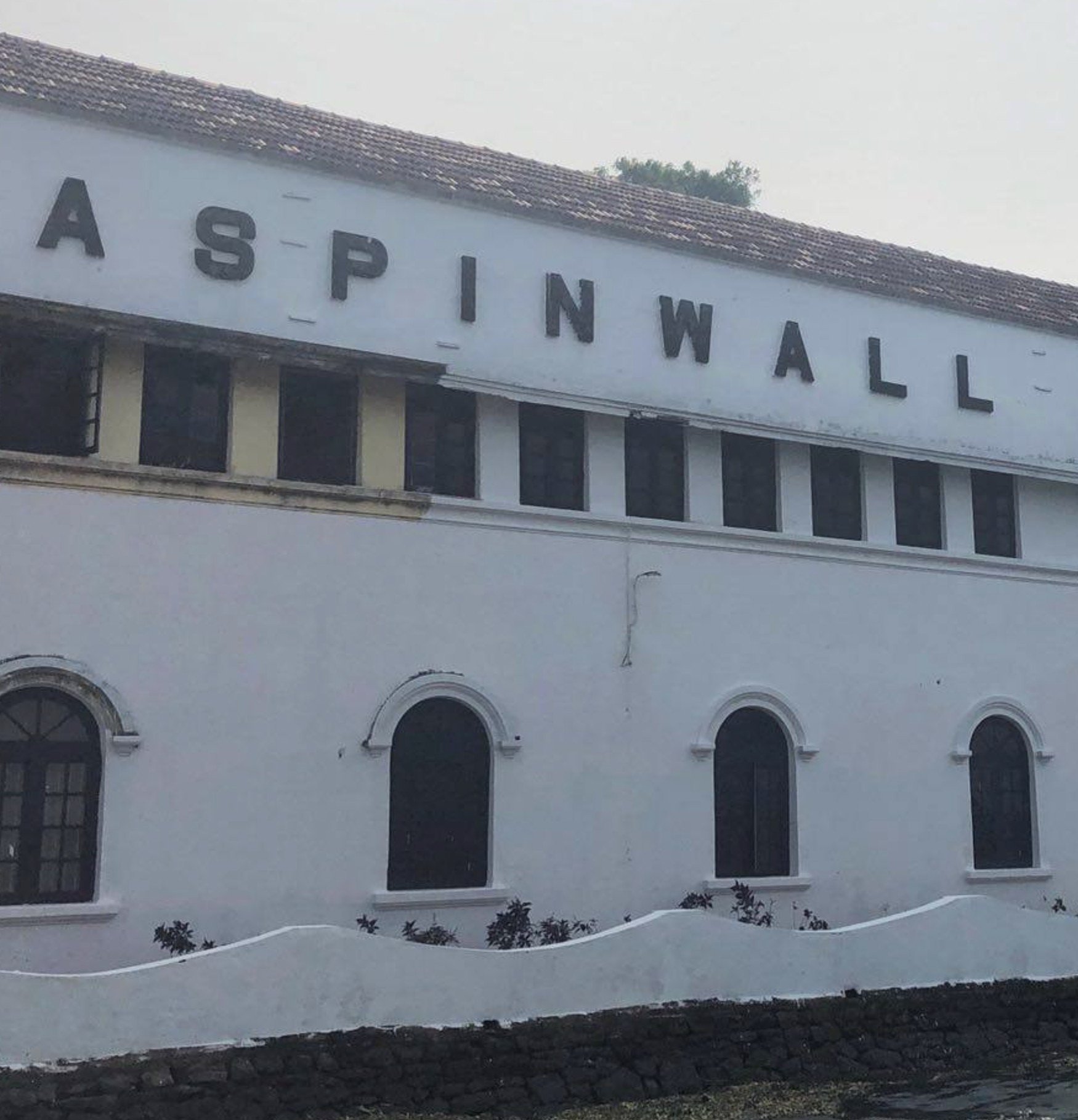
India's first and largest international exhibition of contemporary art, transforming a historic port city into a vibrant cultural laboratory where global artists engage with the layered histories of this ancient trading crossroads.
Participating Artists Kochi-Muziris Biennale 2025-26
The sixth edition of the Kochi-Muziris Biennale, "For the Time Being," features 64 artists and collectives. Curated by Nikhil Chopra and HH Art Spaces, the exhibition runs from December 12, 2025, to March 31, 2026.
Abul Hisham (India / Netherlands; Painting, Sculpture)
Practicing between India and the Netherlands, Hisham explores mythological and psychological narratives, translating complex internal landscapes into richly detailed visual architectures. His work fits the curatorial interest in the body as a conceptual and memorial space.
Aditya Puthur (India; Painting)
An emerging Indian painter whose inclusion reflects the KMB's ongoing commitment to showcasing new talent within the contemporary Indian figurative tradition.
Adrian Villar Rojas (Argentina; Large-scale, site-specific installation)
Villar Rojas is globally renowned for creating monumental, transient installations, often utilizing organic or local materials that seem destined to decay or dissolve back into their specific environment. His works challenge notions of monumentality and permanence. His interest in geological time and inevitable decay makes him a potent choice for the theme For the Time Being, particularly within Kochi's tropical, corrosive climate. A major new commission utilizing local materials in one of the historic venues is highly anticipated.
Ali Akbar PN (India; Painting)
Indian painter contributing to the rich tradition of expressive and narrative South Asian painting.
Anja Ibsch and Grüntaler9 (Germany; Performance, Installation)
Grüntaler9 is a Berlin-based collective known for championing experimental and durational performance art. Their inclusion directly supports the curatorial emphasis on embodied knowledge and live art, offering a European perspective on how the performing body navigates architectural or public space.
Arti Kadam (India; Sculpture: stone, wood)
Kadam practices traditional and contemporary sculpture, grounding the exhibition through her focus on the material weight and endurance of stone and wood. This material permanence provides a necessary foil to the numerous ephemeral works in the exhibition.
Athina Koumparouli (Greece; Multidisciplinary research, Installation)
Koumparouli's practice relies on extensive multidisciplinary research woven into spatial installation. Her approach is ideal for engaging with Kochi's deep cultural memory and weaving historical findings into a physical experience.
Bani Abidi and Anupama Kundoo (Pakistan / Germany / India; Video, Photography / Architecture)
This collaboration pairs Bani Abidi, known for her sharp political video works on bureaucracy and power, with Anupama Kundoo, a globally respected architect focusing on sustainable, low-impact material practices. The collaboration is expected to create a dynamic dialogue between ephemeral political acts and the material reality of the built environment.
Bhasha Chakrabarti (USA / India; Mixed Media, Textiles)
Chakrabarti works across cultural identity (USA/India) using textiles and mixed media. Textiles often embody histories of migration, labor, and domestic memory, making her work central to the KMB's engagement with material history and diaspora.
Biraaj Dodiya (India; Painting, Sculpture)
An Indian artist known for deeply textured, abstract paintings that convey psychological intensity. Her exploration of internal, complex landscapes resonates with the theme of the body as a site of memory and encounter.
Birender Yadav (India; Multidisciplinary, Installation)
A multidisciplinary Indian artist whose installations frequently engage with socio-political realities and contemporary life in India.
Cinthia Marcelle (Brazil; Video, Photography, Installation)
Marcelle, who represented Brazil at the 2017 Venice Biennale, is known for complex, quasi-choreographed works involving everyday objects or human action. Her resulting installations or videos highlight social systems and the visible/invisible nature of collective effort.
Dhiraj Rabha (India; Visual Arts: exploring displacement, identity)
Rabha's visual arts practice focuses explicitly on issues of displacement and identity, narratives highly relevant to Kochi's long history as a transit point shaped by centuries of migration.
Dima Srouji and Piero Tomassoni (Palestine / Italy / UK; Architecture, Research, Installation)
This duo brings a research-intensive, installation-based practice that spans fragmented geographies. Srouji, an architect and artist, frequently addresses material and cultural loss, particularly in the Palestinian context, dealing with power and archaeology. Their focus on reconstruction and loss resonates deeply with the curatorial notion of Kochi's fragmented landscape.
Dineo Seshee Bopape (South Africa; Multimedia Installation)
Bopape is renowned for multimedia installations that utilize earth, clay, and matter to explore geological time, history, and cosmological memory, deeply rooted in South African indigenous knowledge. Her practice addresses the politics of land and material, connecting strongly to the KMB's mandate to utilize local soil as a historical witness.
Faiza Hasan (Pakistan; Painting, Literature)
A Pakistani artist who blends painting with literary elements, likely using text and image to convey layered narratives of memory and social history across shared South Asian borders.
Gieve Patel (India; Painting, Poetry, Playwriting)
A vital senior figure in Indian art, known equally as a poet, playwright, and painter. His painting practice often centers on the vulnerability of the human form and the social pressures embedded within Indian urban life. His participation anchors the Biennale's global discourse in long-standing, locally observed traditions of narrative and social critique.
Gulam Mohammed Sheikh (India; Painting, Art Criticism)
Sheikh is a master of narrative painting, an influential art historian, and a celebrated returning figure to the KMB. His work is crucial for anchoring the exhibition in the intellectual and geographical specificity of the KMB's heritage.
Hicham Berrada (Morocco / France; Installation, Video, Performance)
Berrada is known for creating controlled environments where he observes chemical or biological processes, often resulting in installations that isolate or accelerate natural phenomena into 'performances.' His works reflect on time and materiality, offering a scientific, poetic take on "temporality," directly engaging the theme For the Time Being.
Himanshu Jamod (India; Painting, Sculpture)
Indian artist working primarily in painting and sculpture.
Hiwa K (Iraq / Germany; Performance, Video, Installation)
Known for highly personal works that utilize performance, video, and installation to address displacement, migration, and the geopolitical absurdities of daily existence, often drawing on his experience as a Kurdish-Iraqi refugee. His focus on precarity and movement directly addresses the KMB's focus on the body navigating global forces.
Huma Mulji (Pakistan / UK; Sculptural Installation, Photography)
Mulji constructs sculptural installations using often unconventional materials to critique post-colonial South Asian urbanity and social dynamics.
Ibrahim Mahama (Ghana; Large-scale Installation, found materials)
Mahama is internationally acclaimed for monumental, site-specific installations, frequently draping architectural structures with patched-together jute sacks. This material is inextricably linked to global commodity trade, storage, and labor. His approach, which involves sewing discarded materials to reveal the hidden networks of capital and work, has a profound resonance with Kochi's history as a global spice trading hub.
Jayashree Chakravarty (India; Painting, Large-scale paper installations)
Chakravarty is known for intricate, layered works, particularly large-scale installations made of paper that often mimic ecological systems or maps of fragmented memory. Her works' emphasis on fragility and depth is suitable for engaging with Kochi's mutable, coastal landscape.
Jompet Kuswidananto (Indonesia; Installation, Performance)
An Indonesian artist whose practice integrates sound, mechanics, and installation to evoke historical narratives, frequently focusing on colonial military structures and post-colonial politics in Southeast Asia.
Jyoti Bhatt (India; Painting, Printmaking, Photography)
A foundational figure in modern Indian art, celebrated for his mastery of printmaking and his pioneering documentary photography, which captures Indian vernacular culture.
Khageswar Rout (India; Sculpture: ceramics, metal)
Indian sculptor whose use of ceramics and metal reinforces the exhibition's connection to traditional craft and durable material handling.
Kirtika Kain (Australia; Multidisciplinary, Dalit diaspora experience)
Kain is an Australian artist whose multidisciplinary work explicitly addresses the Dalit diaspora experience and marginalized identity. Her inclusion broadens the exhibition's critique of history and structure beyond simple colonial narratives, addressing issues of caste and systemic marginalization globally.
Kulpreet Singh (India; Painting, Sculpture)
Indian painter and sculptor.
Lakshmi Nivas Collective (India / USA; Installation, Mixed Media)
A collective working across borders, their practice in installation and mixed media suggests a focus on shared diasporic experiences or collaborative production, aligning with the curatorial emphasis on collective engagement.
LaToya Ruby Frazier (USA; Photography, Video, Social Justice)
A MacArthur Fellow, Frazier is celebrated for her powerful documentary photography and video, which critiques the systemic marginalization of working-class communities and communities of color in post-industrial America. Her practice of linking the 'social body' of a community to environmental devastation provides a powerful global parallel to local resource struggles.
Lionel Wendt (Sri Lanka; Photography, Pianism)
Wendt (d. 1944) is a key figure in 20th-century Sri Lankan modernism, best known for his influential, evocative black-and-white photography and his work as a pianist. His historical inclusion brings the artistic legacy of the larger South Asian region into a dialogue with contemporary works.
Malu Joy (Sister Roswin CMC) (India; Visual Arts)
A Kerala-based artist or cultural figure whose visual arts practice grounds the exhibition in local, deep-rooted perspectives.
Mandeep Raikhy (India; Dance, Performance)
A prominent Indian choreographer and performance artist. His focus on the performing body and movement is a direct fit for Chopra's curatorial vision, strongly suggesting a commissioned choreographic or durational work engaging KMB venues.
Maria Hassabi (Cyprus / USA; Choreography, Performance)
Hassabi is globally recognized for her extremely slow, durational, and hyper-precise choreographic works that often inhabit the space between dance, sculpture, and performance tableau. Her works challenge the viewer's perception of motion and time, making her integral to the For the Time Being concept.
Marina Abramović (Serbia / USA; Performance, Endurance Art)
The undisputed pioneer of performance and endurance art, Abramović's work focuses on the limits of the physical and psychological body. Her presence grants immense global visibility to the KMB, and her durational practice directly addresses "temporality" and the body as a site of profound, transient encounter.
Mark Prime (UK / India; Sculpture, Installation)
A sculptor and installation artist whose work spans the UK and India.
Matthew Krishanu (UK; Painting)
A UK-based painter known for figurative works that explore childhood, memory, and fragmented biography.
Meenu James (India; Visual Arts)
Indian visual artist.
Minam Apang (India; Painting: acrylic, watercolor, ink)
Indian artist known for her highly detailed, often mythical or fantastical drawings and paintings.
Mónica de Miranda (Portugal / Angola; Film, Photography, Installation)
De Miranda explores the complex legacy of Portuguese colonialism, identity, and ecology in Africa through film, photography, and installation. Her focus on historical "colonial incursions" and how they shape the landscape and identity of port cities directly mirrors the KMB's foundational geographical concerns.
Monika Correa (India; Weaving, Fiber Art)
A crucial figure in Indian fiber art and weaving, whose practice emphasizes the sensory experience, craft, and labor embedded within material patterns.
Moonis Ahmad Shah (Kashmir/India / Australia; Installation, Sculpture, Sound, Video)
An artist whose practice is rooted in the politically charged geography of Kashmir, working across installation, sound, and video. His diasporic and multi-media work speaks to themes of displacement and fragmentation, a key facet of the curatorial theme concerning landscapes "stitched together" by upheavals.
Naeem Mohaiemen (Bangladesh; Film, Photography, Writing)
An acclaimed filmmaker, writer, and historian who rigorously investigates global Leftist histories, failed utopias, and post-colonial archives through documentary film and photography. His intellectual depth and engagement with political memory make him a cornerstone for addressing temporality and cultural resistance.
Nari Ward (Jamaica / USA; Sculpture, Installation: found objects)
Ward creates powerful sculptural installations by reclaiming urban detritus and found objects (e.g., shopping carts, tires), imbuing them with historical and socio-cultural narratives. His ability to transform discarded materials into monumental testaments of community and memory is profoundly site-sensitive, aligning with Kochi's history as a city built on maritime trade and reuse.
Niroj Satpathy (India; Multidisciplinary, non-conventional media)
Indian artist specializing in experimental techniques and non-conventional media.
Nityan Unnikrishnan (India; Painting, Design)
Indian painter and designer.
Otobong Nkanga (Nigeria / Belgium; Drawing, Installation, Performance)
Nkanga's celebrated practice focuses on the politics of land, resource extraction, and the transformative processes of materials, linking ecology, economics, and labor across geographies. Her work directly addresses the body of the landscape, providing an essential African perspective on global resource critique.
Pallavi Paul (India; Film, Video Installation, Research)
Indian artist working primarily in film and video, frequently engaging in deep research around historical archives and political narratives.
Panjeri Artists' Union (India; Multidisciplinary Collective, Performance)
The explicit inclusion of an "Artists' Union" offers a critical internal dialogue for the institution in light of its history of labor disputes. Their multidisciplinary and performance-based work signals a commitment to engaging directly with collective organization and the body of labor.
Prabhakar Kamble (India; Conceptual Art, Installation, Performance)
Indian conceptual and performance artist, reinforcing the curatorial focus on live and conceptual practices as central to the exhibition's structure.
Raja Boro (India; Music)
Boro's inclusion as a musician suggests that sound, sonic environments, and auditory performance will play a significant, perhaps integrating role in the durational works or site-specific installations, particularly in the new neighborhood venues.
Ratna Gupta (India; Sculpture)
Indian sculptor.
Sabitha Kadannappally (India; Painting)
Indian painter.
Sandra Mujinga (Congo / Norway; Video, Installation, Sculpture, Textiles)
Mujinga uses video, textiles, and installation to explore visibility, invisibility, and the digital body, often employing strategies of camouflage and speculative fiction. Her work provides a crucial, futuristic layer to the Biennial's historical grounding.
Sayan Chanda (India / UK; Textiles, Installation)
Works in textiles and installation across India and the UK, focusing on material and pattern as carriers of narrative.
RB Shajith (India; Painting: watercolor)
Indian painter known for his control of the watercolor medium.
Sheba Chhachhi and Janet Price (India / UK / New Zealand; Multimedia Installation / Activist Art, Textiles)
This collaboration brings a strong history of feminist and political engagement, focusing on how memory and material are interwoven in narratives of resistance through multimedia and activist art.
Shiraz Bayjoo (Mauritius / UK; Film, Painting, Installation)
Bayjoo explores the histories of the Indian Ocean region (Mauritius), engaging with colonial archives, migration, and Creole identity through film, painting, and installation. His focus on maritime history and trade routes makes his work highly resonant with the history of Kochi-Muziris as an ancient emporium.
Smitha Babu (India; Painting, Theatre)
A Kerala-based artist whose work spans painting and performance in the realm of theatre.
Sujith S.N (India; Painting: watercolor)
Indian painter, often working in watercolor.
Tino Sehgal (Germany / UK; Constructed Situations, Performance)
Sehgal is globally recognized for his "constructed situations": intangible, live works where the choreographed encounters between viewers and "interpreters" (performers) are the artwork. His practice strictly avoids material residue, documentation, or permanence, making his work the purest expression of the theme For the Time Being, focusing entirely on the ephemeral encounter and the body in time.
Utsa Hazarika (USA / India; Video, Installation, Sculpture)
Indian/US artist working across video, installation, and sculpture.
Vinoja Tharmalingam (Sri Lanka; Drawing, Painting)
Sri Lankan artist focusing on drawing and painting.
Yasmin Jahan Nupur (Bangladesh; Installation, Performance, Drawing)
Bangladeshi artist known for site-specific installations and performances that often involve community interaction and social commentary.
Zarina Muhammed (Singapore; Performance, Installation, Research)
A Singaporean artist whose research-based practice spans performance and installation, contributing a crucial perspective from maritime Asia.
Editorial content on biennale.com is published by the Biennale Editorial Team. Image credits as captioned. External links are provided for reference and verification.