The Kochi-Muziris Biennale was born not from governmental decree or corporate backing, but from the vision of two prominent Indian artists: Bose Krishnamachari and Riyas Komu. Launched in 2012, it marked India's first and largest international contemporary art event, conceived as a long-term catalyst for India's cultural landscape.
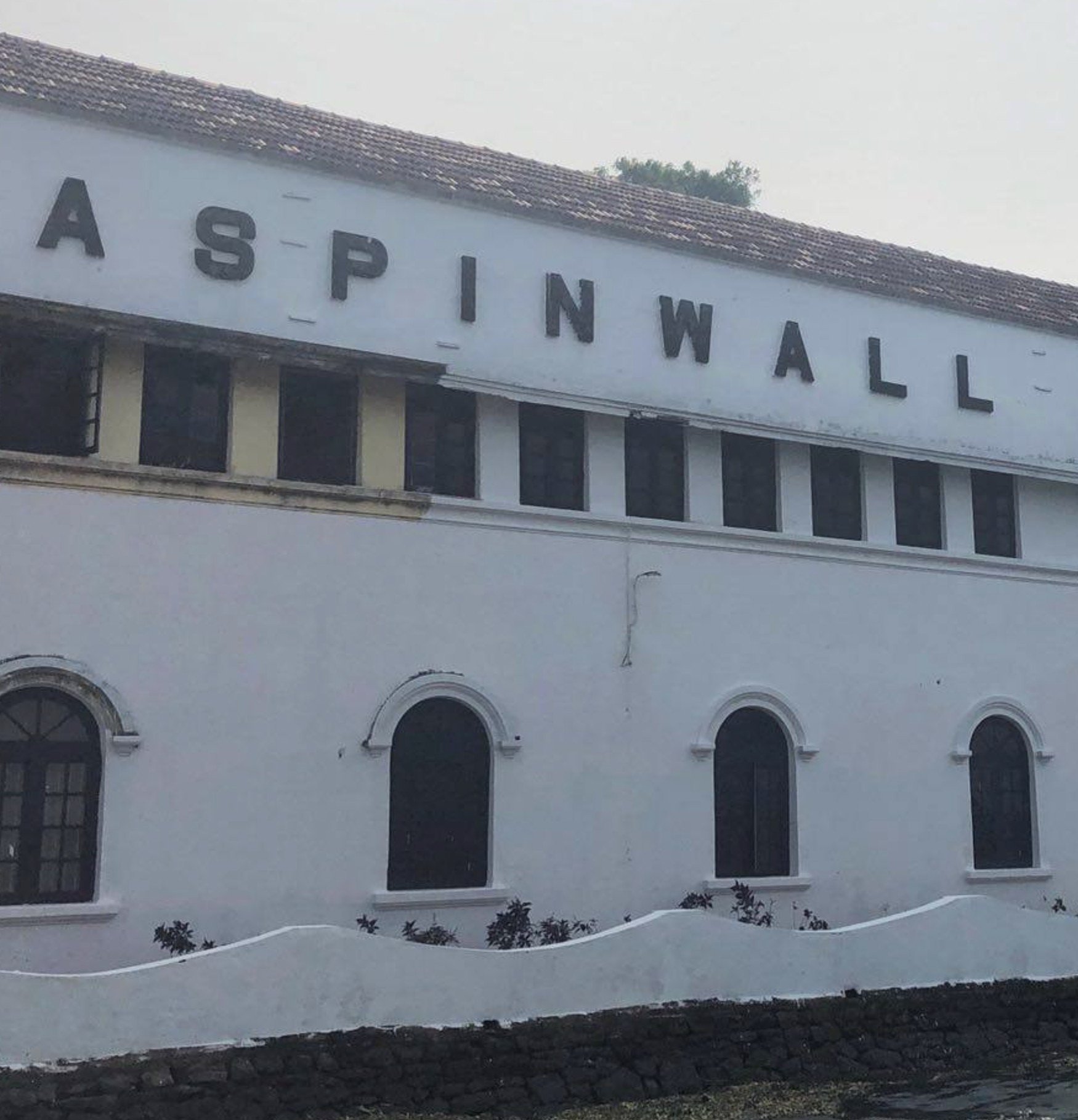
From the outset, the founding philosophy was distinct: to be artist-led and centered on dialogue, accessibility, and public engagement, rather than commercial spectacle. This grassroots approach earned it the nickname, the "people's biennale." The decision to utilize dilapidated heritage structures, rather than building new museums, transformed the city itself into the primary exhibition space and co-subject of the art.
Ancient History & The Name "Muziris"
The name Kochi-Muziris Biennale is a deliberate historical gesture. While Kochi is the contemporary host city, Muziris refers to an ancient port that flourished near present-day Kochi from the 1st century BCE.
Muziris was a thriving center of trade with Roman, Arab, Chinese, and Jewish merchants until it was destroyed by floods around the 14th century. By invoking this legacy, the Biennale frames itself within a narrative of cultural cosmopolitanism that predates European colonialism, emphasizing that global exchange is intrinsic to Kerala's history.