Skip to content

Biennale  /  Country hubs  /  Brazil

Country hubs · Free to read · Updated October 8, 2026

Country hub · Latin America

Art in Brazil

Brazil pays for its culture with taxes it agrees not to collect, companies choose where the money goes, and on October 25 the country votes on who writes the rules.

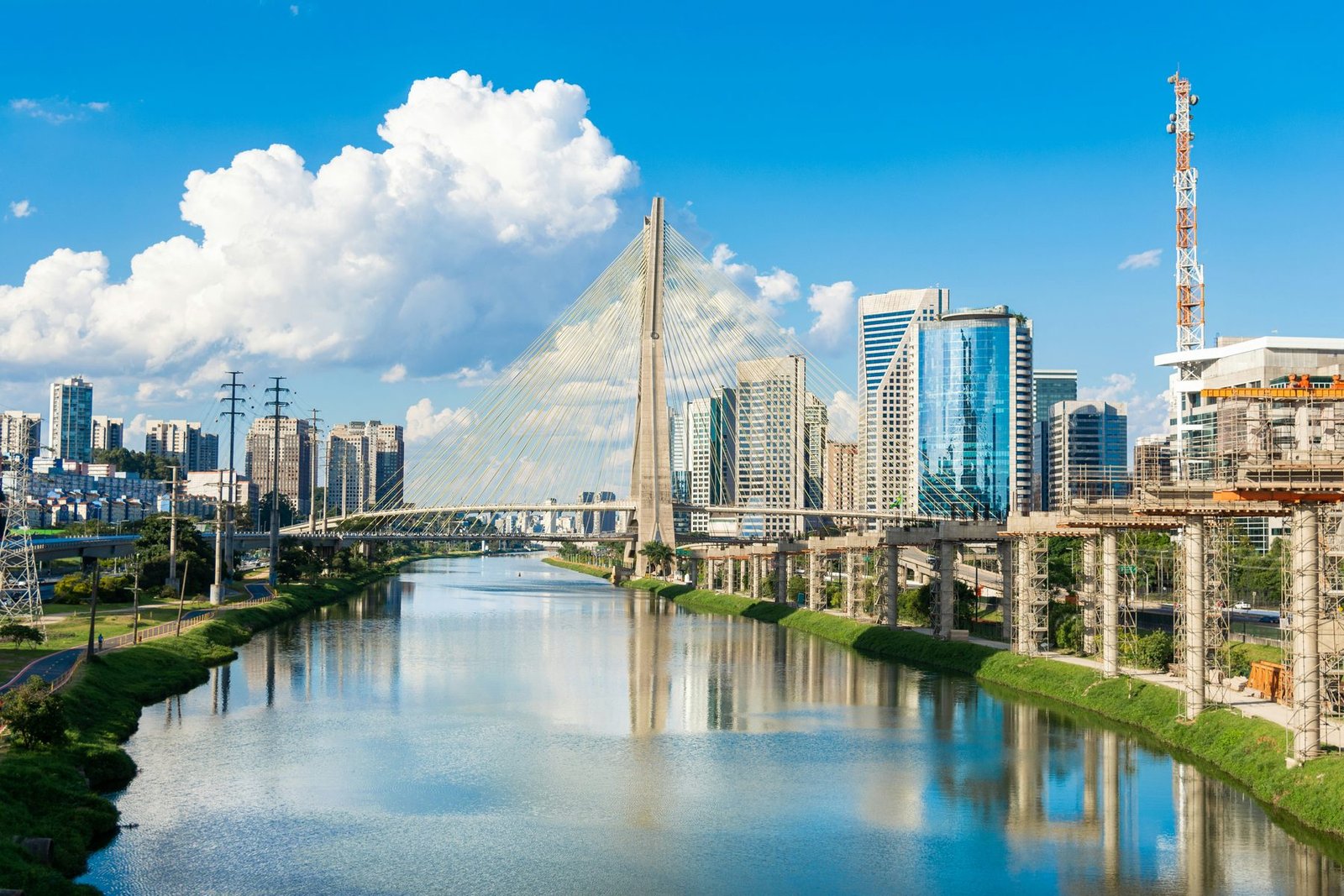
A cable-stayed bridge with an X-shaped mast crosses a calm river that reflects glass office towers and white clouds
The Ponte Estaiada over the Pinheiros River, São Paulo. Photo: Raphael Nogueira.

Autumn 2026

Public Money, Private Choice

Brazil voted on October 4, 2026. With every polling section counted, Flávio Bolsonaro of the Liberal Party (PL) had 47.03% of the valid votes and President Luiz Inácio Lula da Silva 45.16%, and the two meet in a runoff on October 25, according to the electoral court’s count as reported by AFP in Folha de Pernambuco. The surname matters to anyone who works in culture. Jair Bolsonaro’s government abolished the Ministry of Culture in its first year, 2019; Lula’s restored it in 2023. The art season the election interrupts is a strong one: the 36th Bienal de São Paulo closed in January after 784,399 free visits, the Museu de Arte de São Paulo has filled five floors of a new tower with Latin American Histories, and Inhotim turns 20 on October 18.

The thesis of this page is that Brazilian culture is paid for by a tax the state agrees not to collect, and that this single fact explains both what is admirable in the system and what is unfair in it. Under the Lei Rouanet, the federal incentive law, companies may send part of the income tax they owe to cultural projects the ministry has approved. The mechanism raised a record R$3.41 billion in 2025. The money is public and the choice is corporate. The result is a country where an exhibition that drew 784,399 people charges nothing at the door, and where R$2.45 billion of that R$3.41 billion stayed in the Southeast, the region of São Paulo, Rio de Janeiro, and Minas Gerais.

A visitor meets the generous half first. Entry to the Bienal de São Paulo is free. More than half of the people who went to MASP last year paid nothing. The Sesc network, funded by a compulsory contribution from employers in commerce, runs 44 units in the state of São Paulo alone. The lopsided half shows up on the map, in the short list of banks, miners, and oil companies whose names are on the walls, and in the nervousness of every institution that has to raise its 2027 budget during an election.

Below: the market, the politics, the public, then six cities, a calendar, and the institutions to plan around. Biennale is free to read.

The market

Small at Home, Busy Abroad

Brazil’s art trade is modest for an economy of its size. The most recent sector survey, the 7th, carried out by the gallery association ABACT with the export agency ApexBrasil, put the market at about R$2.9 billion (US$580 million) in 2023, up 21% on 2022 but still 1.5% below 2019, and at 0.89% of world sales. The figures were set out by the dealer Nara Roesler in Forbes Brasil in April 2025; she is a dealer and an interested party. The survey drew on 76 galleries. Local buyers account for 77% of their sales, 58% of them turn over R$5 million a year or less, and a gallery’s three best-selling artists bring in, on average, 51% of its revenue. Painting is 56% of sales by value. Of the artists represented, 63% are men.

The world market grew 4% in 2025 to an estimated $59.6 billion, according to the Art Basel and UBS Global Art Market Report 2026. Its public summary gives no figure for Brazil. Forbes Brasil, reading the full report, says Brazilian dealers recorded sales growth of 21% in 2025 and that 83% of them expect a better 2026, the most optimistic of any group surveyed. Brazil figures in the Art Basel and UBS report not seen at source

What Brazil has is a handful of galleries with reach far beyond the home market. Six showed in the main sector of Art Basel in June 2026, a record: Fortes D’Aloia & Gabriel, A Gentil Carioca, Almeida & Dale, Luisa Strina, Mendes Wood DM, and Gomide&Co, by Forbes Brasil’s count. The directory also lists Nara Roesler, Vermelho, and Jaqueline Martins.

Four fairs

SP-Arte, founded and directed by Fernanda Feitosa, held its 22nd edition from April 8 to 12, 2026, in the Bienal pavilion in Ibirapuera Park, with 180 exhibitors, 64 of them in design. Foreign galleries rose from 12 to 16, half of them Latin American, and Feitosa told O Estado de S. Paulo that their arrival was a sign of Brazil becoming a hub for the region. The same report carried a colder number: exports of paintings and drawings from the city of São Paulo fell 27% in 2025, to US$174.8 million, and shipments to the United States, 41% of the total, fell 37%.

The fair’s second event, SP-Arte Rotas, ran its 5th edition from August 26 to 30 at ARCA, in Vila Leopoldina, with 70 exhibitors and a brief to look beyond the Rio and São Paulo axis. The Rio Times observed that no consolidated figures yet support the hub claim. ArPa brought 40 galleries to the Mercado Livre Arena Pacaembu from May 27 to 31, according to Portal Tela. In Rio de Janeiro, ArtRio held its 16th edition from September 16 to 20 at the Marina da Glória with 78 galleries and an expected 50,000 visitors, alongside the city’s first Semana de Arte do Rio, Agência Brasil reported.

The tax question

Dealers argue that Brazil taxes art harder than its competitors. When Congress wrote the rules for the new consumption taxes in 2024, the sector warned that prices could rise by 10% to 27%, with a combined rate of 26.5% plus a 4% import duty on works brought into the country, against 5.5% in France and 5% in Britain, according to a Folhapress report in Jornal do Comércio. In December 2024 the galleries’ lobby, the Coletivo 215, won a place for the visual arts in the reform’s special regime, with a 60% reduction in the new rate, Roesler wrote in Forbes Brasil. The rate that will finally apply to a sale could not be confirmed for this page. Final tax rate on art sales under the reform not confirmed

R$2.9bnBrazilian art market in 2023, about US$580 million (ABACT survey via Forbes Brasil)
0.89%share of world sales (ABACT survey via Forbes Brasil)
77%of gallery sales go to buyers in Brazil (ABACT survey via Forbes Brasil)
180exhibitors at SP-Arte, April 8–12, 2026 (O Estado de S. Paulo)
Biennale

“O problema central permanece: o recurso é público, mas a decisão é privada.” (In English: the central problem remains that the money is public but the decision is private.)

— Observatório da Cultura do Brasil, on the Lei Rouanet, in Congresso em Foco, January 14, 2026

Politics and money

A Ministry on the Ballot

The Ministry of Culture has been abolished and restored within a decade. Jair Bolsonaro’s government closed it in 2019 and handed its work to a special secretariat, first inside the Ministry of Citizenship and then inside Tourism, which had six heads in four years. Lula’s transition team found that the budget for the direct administration of culture had fallen 85% since 2016 and the National Culture Fund 91%, as Agência Brasil reported in December 2022. The ministry returned in 2023 under Margareth Menezes, a singer from Salvador. She ruled out running for Congress this year and told A Tarde in January that she would stay until December. 2026 budget of the Ministry of Culture not found

The Rouanet machine

The ministry’s own budget is the smaller part of the story. The larger part is the Lei Rouanet. Projects raised R$2.1 billion through it in 2022, the last year of the Bolsonaro government, passed R$3 billion for the first time in 2024, and reached about R$3.4 billion in 2025, by IstoÉ Dinheiro’s account. Ministry data published by Propmark give the detail: R$3.41 billion in 2025, up 12.1%; 22,971 proposals submitted and 14,847 cleared to raise money; and a further R$926.5 million in the first half of 2026. Companies, 6,252 of them, supplied 96.4% of the total, and each may direct up to 4% of its income tax, Times Brasil explained.

Who the companies are is no secret. Petrobras led in 2025 with R$307.3 million, followed by Vale with R$149.6 million, Nubank with R$116.1 million, and Shell with R$64.3 million, in the ranking Times Brasil drew from the ministry’s database. Companies of the Banco do Brasil, Itaú, and Bradesco groups hold seven of the other places in the top 20.

The case against

The first objection is geographic. The Southeast raised R$2.45 billion in 2025, the South R$479.7 million, the Northeast R$233.9 million, the Center-West R$128.2 million, and the North R$117.2 million. The second is about who decides. The data journalism agency Agência Tatu found that Vale put more than R$1.05 billion through the law between 2021 and 2024, and that the largest single recipient was the company’s own Instituto Cultural Vale, with R$112.34 million; Inhotim came second with R$72 million. Itaú’s R$396 million went 92.8% to the Southeast, with MASP (R$42.2 million) and the Fundação Bienal de São Paulo (R$38.4 million) at the head of the list. Elder Patrick Maia, a professor at the Federal University of Alagoas, told the agency that such sponsorship is a tax waiver and not a gift, and that corporate institutes add value to the brand. Vale replied that it created its institute in 2020 to widen its cultural investment, that it runs four free cultural centers, and that it selects projects through open calls.

The third objection is oversight. The Observatório da Cultura do Brasil, in an opinion article for Congresso em Foco, cites audit-court data showing about 29,700 projects with accounts still unexamined, worth some R$22 billion.

The case for

The ministry answers with direction of travel. For the first time, projects are running in all 27 states; Henilton Menezes, the secretary responsible, told IstoÉ Dinheiro that Roraima, Rondônia, and Paraíba had not been on the map before. Money raised in the North is up 81.4% since 2023 and in the Center-West 96%, though from low bases. And the law is no longer the only channel. The Política Nacional Aldir Blanc, which sends federal money directly to states and municipalities, was made permanent in May 2025 with R$15 billion, Portal de Prefeitura reported; the Lei Paulo Gustavo added R$3.862 billion. Congress had to override Jair Bolsonaro’s vetoes to pass both. Spending the money is another matter: the Observatório cites a federal research institute’s finding that 37.5% of municipalities failed to use their Aldir Blanc funds.

What the candidates propose

The government plans registered with the electoral court were summarized by Estado de Minas on September 3. Lula proposes continuity with adjustments and counts the ministry’s return among his achievements. Flávio Bolsonaro proposes to adjust the incentive laws, correct what his plan calls distortions, favor regional centers outside the Rio and São Paulo axis, and require more transparency. Neither runoff plan, as summarized, calls for closing the ministry; that proposal came from Renan Santos, who finished fourth with 2.24%. The newspaper’s practical point is the one institutions feel: events held every two years must secure their 2027 and 2028 funding now. No statement on culture by either candidate since the first round was found

January 8

One episode still shadows the argument. On January 8, 2023, rioters attacked the government buildings in Brasília. Twenty-one damaged works were restored and returned to the Planalto Palace two years later, among them Di Cavalcanti’s As Mulatas, slashed seven times, and a 17th-century clock repaired in Switzerland, according to TVT News. Conservators from the Federal University of Pelotas did most of the work on site with the heritage institute Iphan.

Society

Free at the Door

What the system buys is access. The 36th Bienal de São Paulo, Not All Travellers Walk Roads, curated by Bonaventure Soh Bejeng Ndikung, ran from September 6, 2025, to January 11, 2026, after the board extended it by four weeks, and received 784,399 visitors, about 20% more than the previous edition, according to the foundation. Its education program recorded more than 113,000 attendances, Forbes Brasil reported. Nobody paid. The bill, about R$90 million for each two-year cycle, is met by 47 sponsors working through the Lei Rouanet, with Itaú the largest at more than R$15 million; the foundation is the law’s second-largest beneficiary after Inhotim, and the pavilion itself belongs to the city, Brazil Journal reported.

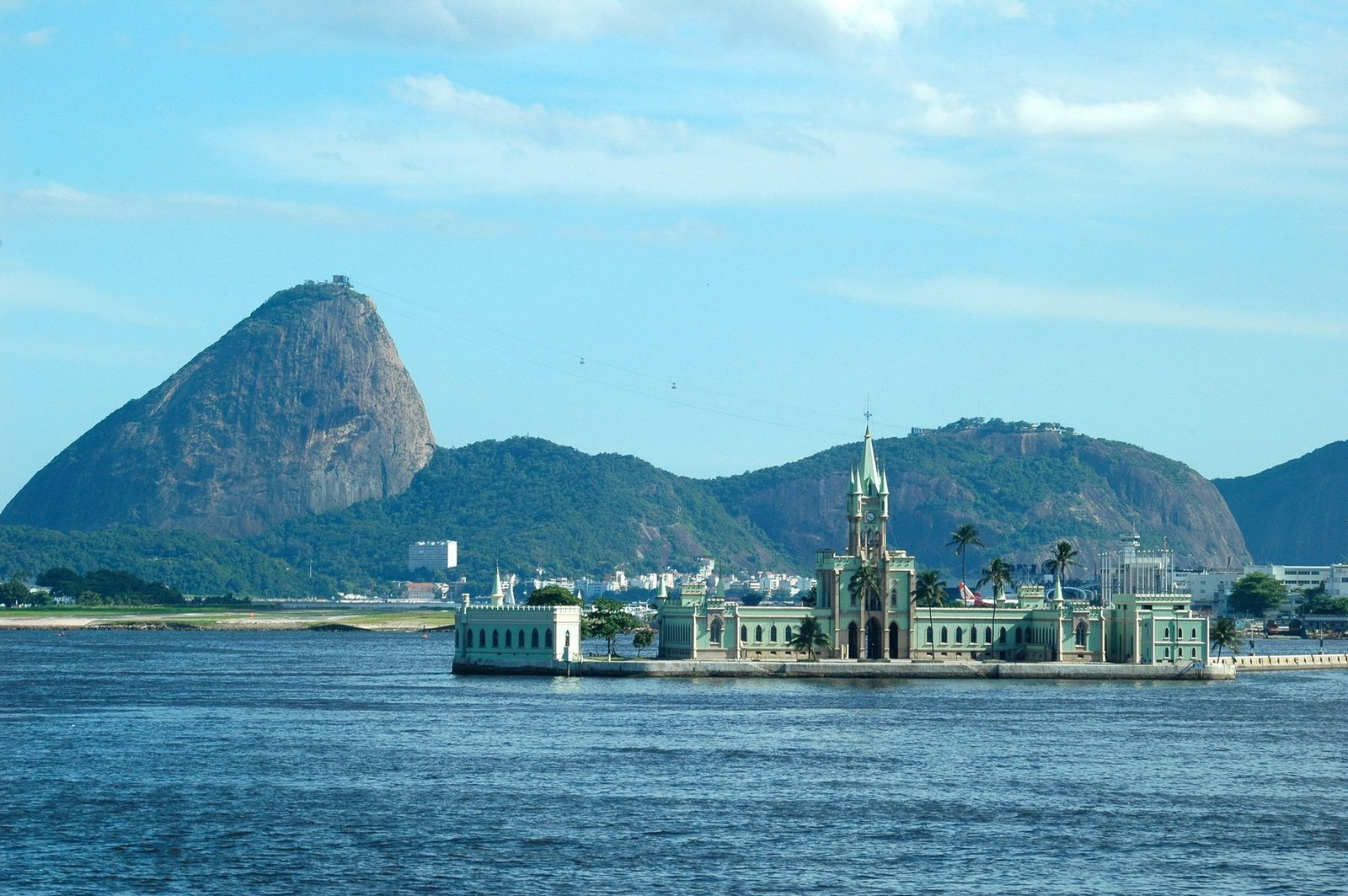
A green palace with a pointed central tower sits on a small island in a bay, below a tall rock peak and hills
Ilha Fiscal with Sugarloaf Mountain behind, Rio de Janeiro. Photo: Roberto Huczek.

The exhibition then travels. Selections from the 36th edition reach 15 places during 2026, among them Rio de Janeiro, Brasília, Fortaleza, Recife, Salvador, Belém, and Belo Horizonte, plus Santiago, Mexico City, and Berlin, by the foundation’s July announcement.

The museums

MASP drew about 1 million visitors in 2025, a record, and 55% of them entered free, most on Tuesdays, CNN Brasil reported. That was the first year of its second building, the 14-floor Pietro Maria Bardi tower, which opened with exhibitions on March 28, 2025, and roughly doubled the museum’s area to 21,863 square meters. The museum says the tower was built entirely with private donations and without incentive laws, according to Agência Brasil. Its 2026 program, led by Adriano Pedrosa, is Latin American Histories; the main exhibition is open from September 4, 2026, to January 31, 2027, per Wanderlust.

Across the city, the Pinacoteca de São Paulo belongs to the state and has been run since 2005 by a nonprofit under contract. It had more than 800,000 visitors in both 2023 and 2024 on a budget of R$66 million, and about 78% of them used some form of free entry, its director Jochen Volz told arte!brasileiros in May 2025.

“Approximately 60% of the public who come here are visiting a museum for the first time in their lives.”

— Jochen Volz, director of the Pinacoteca de São Paulo, in arte!brasileiros, May 8, 2025

Sesc

The institution foreigners find hardest to place is Sesc, the Social Service of Commerce, which turned 80 on September 13, 2026. It is financed by a compulsory contribution from the commerce sector and managed by business representatives, and it is neither a ministry nor a foundation. In the state of São Paulo it runs 44 units that recorded about 30 million visits in 2025; its 39 art exhibitions drew 1.2 million people, according to O Estado de S. Paulo. Sesc São Paulo also produces Frestas, the free triennial in Sorocaba. The contribution is a political target: in March 2020 the Bolsonaro government announced a 50% cut for three months, and the commerce confederation warned that 265 Sesc and Senac units would close, Money Times reported.

Who is on the walls

The other change of the decade is in who gets shown. In 2018 the Pinacoteca’s collection held no contemporary Indigenous work; by 2025 it had about 40 Indigenous artists, Volz said. At the 2024 Venice Biennale, where Pedrosa was the first Brazilian to curate the main exhibition, Brazil’s pavilion was renamed Hãhãwpuá and given to Indigenous curators and artists for the first time, The Art Newspaper reported. In 2026 the pavilion, newly restored by the Fundação Bienal and presented by Petrobras, shows Rosana Paulino and Adriana Varejão in Comigo ninguém pode, curated by Diane Lima, until November 22, by the Biennial Foundation’s account.

The gains are real and they are concentrated. Museums and biennales have moved faster than the trade, where nearly two-thirds of represented artists are still men and half of a typical gallery’s income rests on three names. The published summary of the ABACT survey gives no breakdown of artists by race. And the 36th Bienal, for all its attendance, was faulted for a limited presence of Brazilian and Latin American artists, The Art Newspaper noted when it reported that the 37th edition, in 2027, will be curated by two Brazilians, Amanda Carneiro of MASP and Raphael Fonseca.

The museum that burned

The counterexample to all this success is in Rio. The Museu Nacional, destroyed by fire in 2018, partly reopened on July 2, 2025, for a temporary exhibition, with full operation then forecast for 2028, according to a report carried by Diário do Grande ABC. In June 2026 the travel trade paper Brasilturis reported an inauguration date of 2029, a cost of about R$520 million, and R$170 million still to be raised. Its sponsors include Bradesco, Vale, and Itaú, working through the same incentive law. Museu Nacional reopening year differs between sources: 2028 or 2029

The cities

Six Places to Start

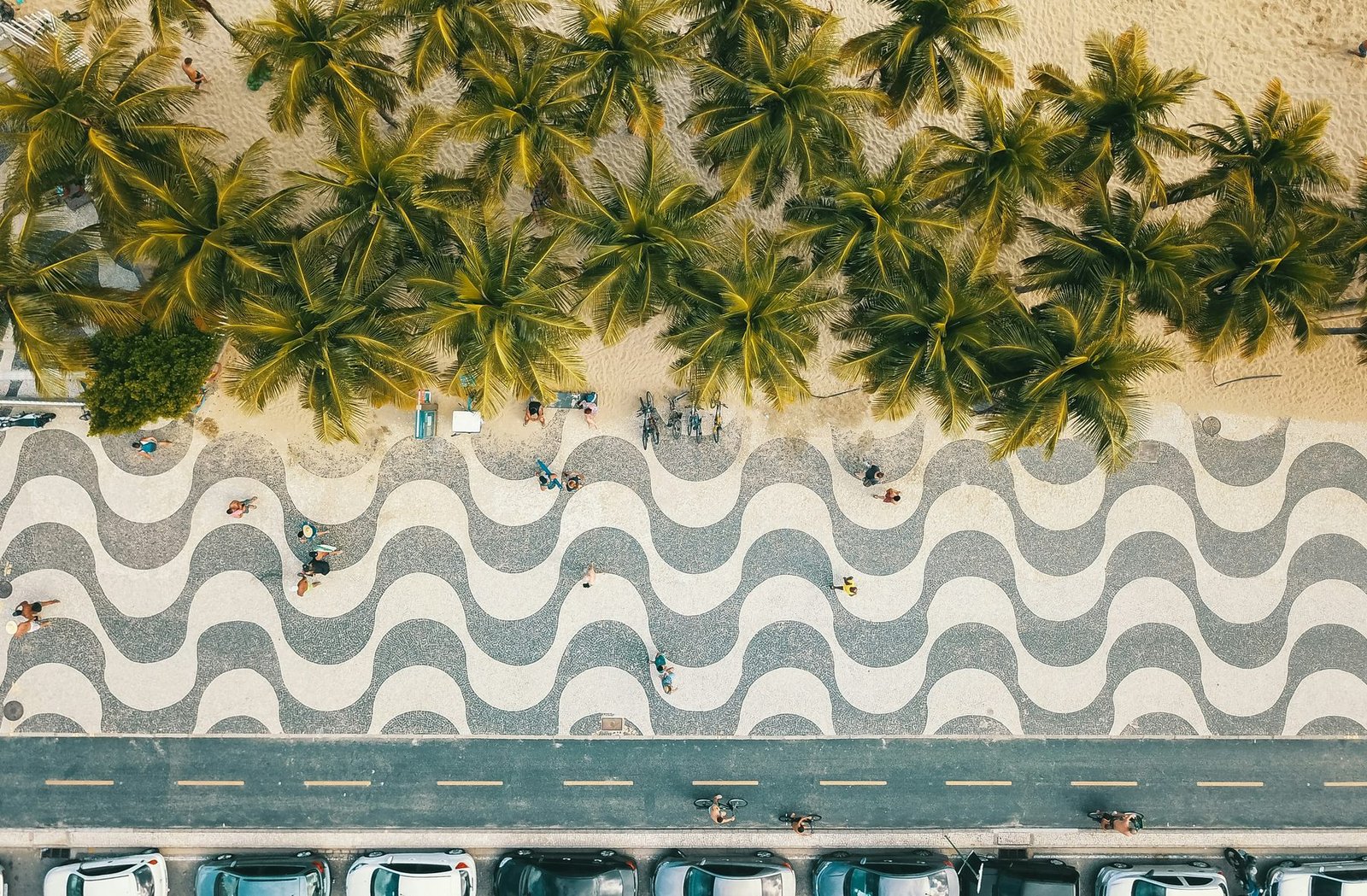
Overhead view of a black-and-white wave-patterned mosaic sidewalk between a row of palm trees on the sand and a line of parked cars
The wave-pattern promenade at Copacabana, Rio de Janeiro. Photo: Luis Diego Aguilar.

Brazil’s art map follows its money, which means it starts in São Paulo and thins with distance. The useful exceptions are places where a company, a state government, or a stubborn foundation decided otherwise. Curitiba, whose biennale is open now with more than 300 artists from 38 countries, by the Museu Oscar Niemeyer’s count, is one. So are the two cities of the North and South below.

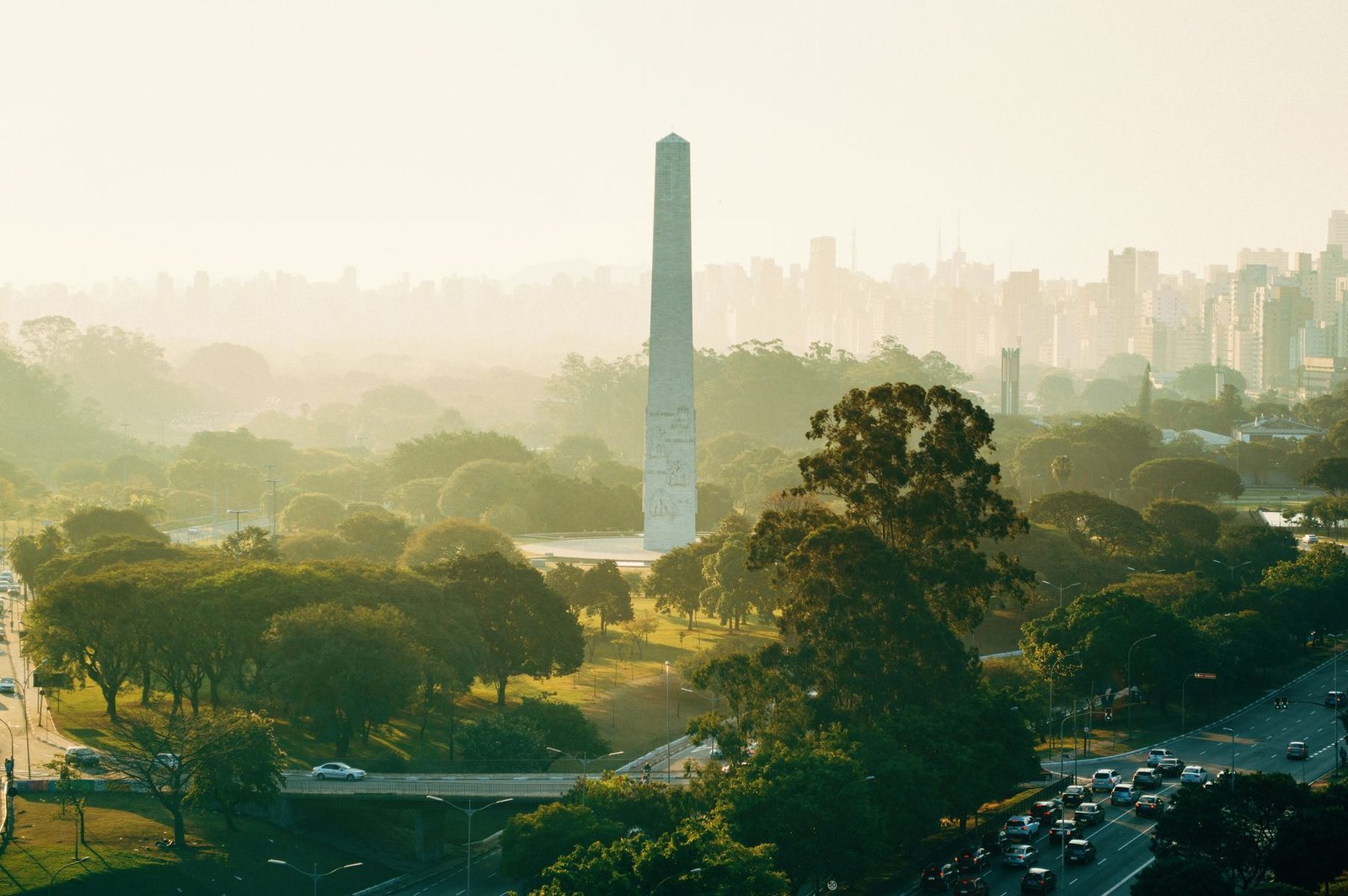
A tall stone obelisk rises from misty parkland and trees in golden light, with a wall of towers faint in the distance

The center of gravity

São Paulo

The Bienal pavilion in Ibirapuera Park, MASP on Avenida Paulista, the Pinacoteca’s three buildings, and Sesc Pompeia. Come in April for SP-Arte, or from September of an odd year for the Bienal.

The Obelisk and Ibirapuera Park in morning haze, São Paulo. Photo: Felipe Barradas.

City pageBienal guidePinacoteca

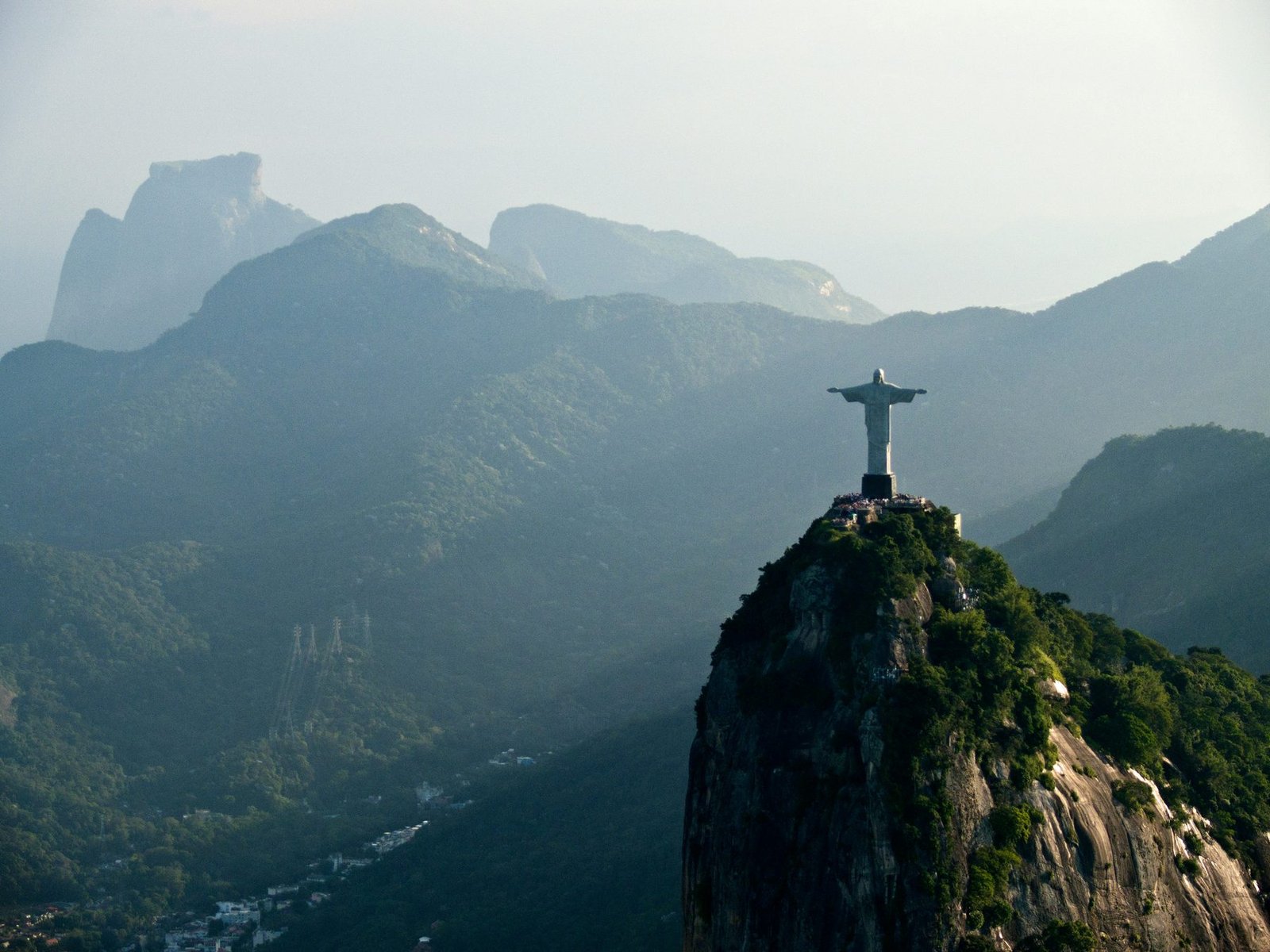
A statue with outstretched arms stands on a rocky forested summit, with layers of hazy mountains behind

September for the fair

Rio de Janeiro

ArtRio at the Marina da Glória, the Museu de Arte do Rio, which hosts the Bienal de São Paulo’s touring show this year, MAM Rio, and a national museum still under reconstruction. The city’s three-dimensional biennale, TRIO, has not been held since 2018.

Christ the Redeemer on Corcovado above misty mountains, Rio de Janeiro. Photo: Gustavo Nacht.

City pageMARMAM Rio

Inhotim turns 20 on October 18

Brumadinho and Belo Horizonte

Inhotim, an art museum set in a botanical garden, expected about 361,000 visitors in 2025, a record, Agência Brasil reported. Its anniversary year adds a Dalton Paula survey and the return of Cildo Meireles’s Missão/Missões, per Forbes Brasil.

City pageInhotim

Bahia

Salvador

The Bienal da Bahia, closed by the dictatorship in 1968 and revived once in 2014, has announced no new edition. The Bienal de São Paulo’s touring show was due at the Museu Nacional da Cultura Afro-Brasileira in September.

City pageBahia Biennale

The Amazon’s own biennale

Belém

The 2nd Bienal das Amazônias, Verde-Distância, ran from August 29 to November 30, 2025, the season of the COP30 climate summit, under chief curator Manuela Moscoso, per the Biennial Foundation. The biennale’s cultural center, a former department store opened in May 2024, was funded chiefly by Shell, Mercado Livre, and Vale’s institute, The Art Newspaper reported.

Biennales and fairs

The Brazilian Calendar

Recurring exhibitions and fairs in Brazil, from the Biennale directory and organizer announcements. Dates not yet announced are marked.
EventCityMost recent or nextWhat it isDirectory
Bienal de São PauloSão Paulo36th: September 6, 2025, to January 11, 2026. 37th: 2027. 2027 dates not yet announcedFounded 1951; free; curated in 2027 by Amanda Carneiro and Raphael FonsecaSeries
Bienal de São Paulo on tour15 citiesThrough 2026; Belém, September 25 to November 29, per Diário do ParáFree selections from the 36th editionGuide
Bienal Internacional de CuritibaCuritibaJune 14 to November 15, 202616th edition, LIMIARES, at the Museu Oscar NiemeyerSeries
Bienal do MercosulPorto Alegre14th: March 27 to June 1, 2025. 15th: 2028Founded 1997; the South’s biennaleSeries
Frestas, Trienal de ArtesSorocabaFebruary 28 to August 16, 2026Sesc São Paulo’s free triennial, 4th editionSeries
Bienal das AmazôniasBelém2nd: August 29 to November 30, 2025. 3rd edition not yet announcedArt of the Amazon region, first held in 2023Not yet listed
Bienal da BahiaSalvador3rd: May 29 to September 7, 2014. No edition announcedFounded 1966, suppressed 1968, revived onceSeries
TRIO BienalRio de JaneiroLast held 2017 to 2018Three-dimensional art; dormantSeries
SP-ArteSão PauloApril 8–12, 2026. 2027 dates not foundThe main fair, 22nd edition, in the Bienal pavilionNot yet listed
ArPaSão PauloMay 27–31, 2026Fair of 40 galleries at the PacaembuNot yet listed
SP-Arte RotasSão PauloAugust 26–30, 20265th edition, 70 exhibitors, at ARCANot yet listed
ArtRioRio de JaneiroSeptember 16–20, 202616th edition, 78 galleries, Marina da GlóriaNot yet listed
Brazilian Pavilion, Venice BiennaleVeniceMay 9 to November 22, 2026Rosana Paulino and Adriana Varejão, Comigo ninguém podeGuide
All Latin American biennales

Museums and players

Who to Know

Institutions

People

  • Margareth Menezes, minister of culture since 2023.
  • Andrea Pinheiro, president of the Fundação Bienal de São Paulo, re-elected in February for 2026 and 2027.
  • Amanda Carneiro and Raphael Fonseca, chief curators of the 37th Bienal de São Paulo.
  • Adriano Pedrosa, who leads MASP’s program and curated the 2024 Venice Biennale.
  • Jochen Volz, director of the Pinacoteca de São Paulo.
  • Paula Azevedo and Júlia Rebouças, president and artistic director of Inhotim.
  • Fernanda Feitosa, founder and director of SP-Arte.
  • Diane Lima, curator of the Brazilian pavilion in Venice.
  • Luiz Galina, director of Sesc São Paulo.

Going there

How to Use the Country

Start in São Paulo and plan around the free days. MASP waives admission on Tuesdays and the Pinacoteca on Saturdays, when it receives 5,000 to 10,000 people against 1,000 to 3,000 on an ordinary day, so go early. The Bienal pavilion is in use even in years without a Bienal: SP-Arte takes it over each April. To build the trip, start one on My Biennale, open the São Paulo page, and use the ticket pages and exhibition listings to see what is on.

Brazil is a country of flights. Inhotim is in Brumadinho, in the state of Minas Gerais; Belém and Porto Alegre are at opposite ends of the map, and the fairs sit at different points of the year, so choose a season. April gives SP-Arte; late August and September give SP-Arte Rotas and then ArtRio, where a day ticket cost R$100 this year, by Diário do Rio’s listing; and the last three editions of the Bienal opened in early September of an odd year. Sorocaba, for Frestas, is about 90 kilometers west of São Paulo.

This autumn has one complication. The runoff is on Sunday, October 25. Check opening hours for that weekend before fixing a museum day.

For the wider region, the Latin American biennale page sets Brazil beside Havana and Cuenca, the directory lists every biennale, and the country hubs cover the other places on a long itinerary. Biennale Traveller deals with flights, hotels, and luggage.

Beyond the cities

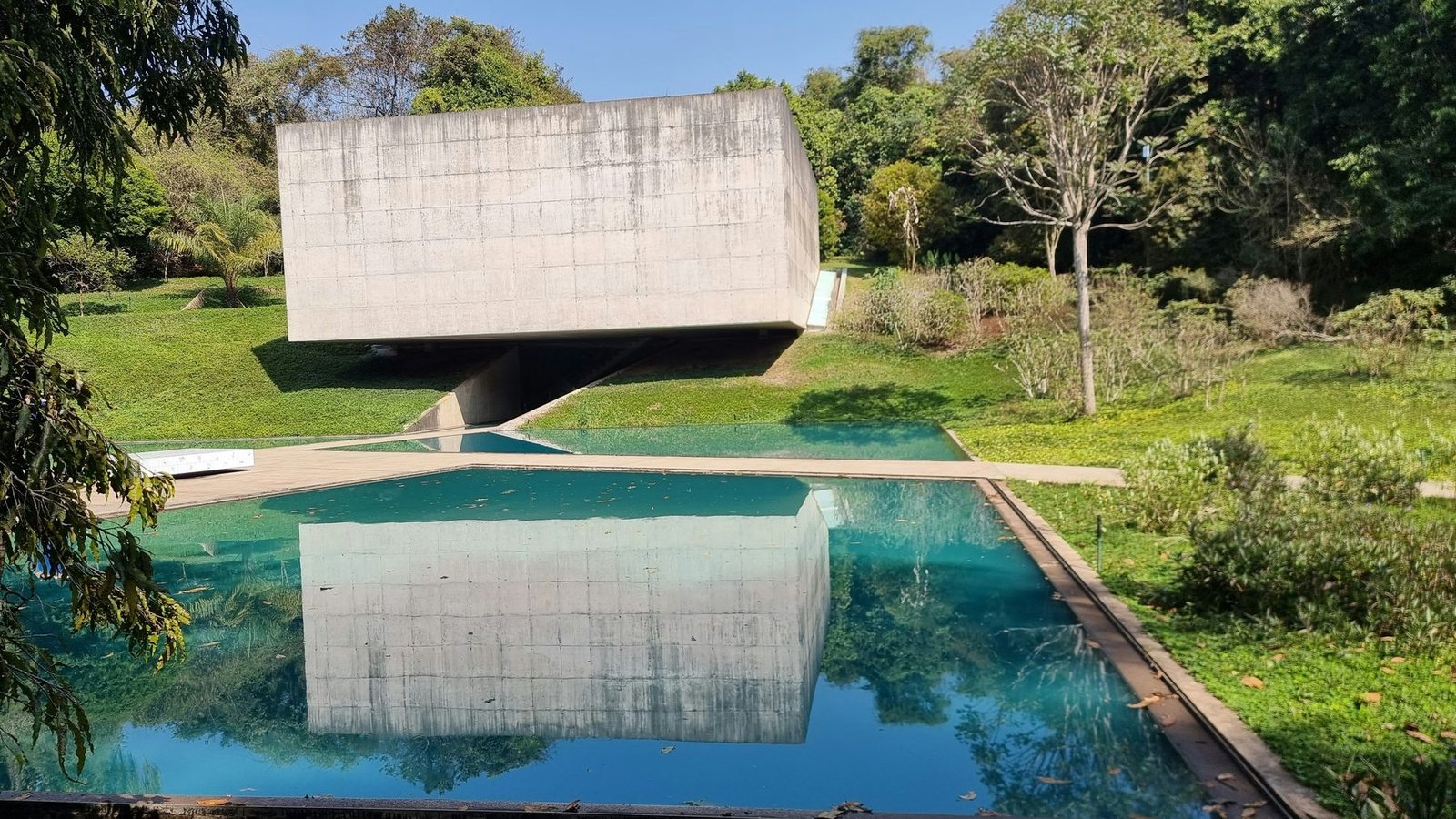
A raw concrete box cantilevers above a rectangular turquoise pool set in lawns and trees, its underside mirrored in the water
A concrete gallery pavilion over a reflecting pool, Inhotim, Brumadinho, Minas Gerais. Photo: Eduardo França.
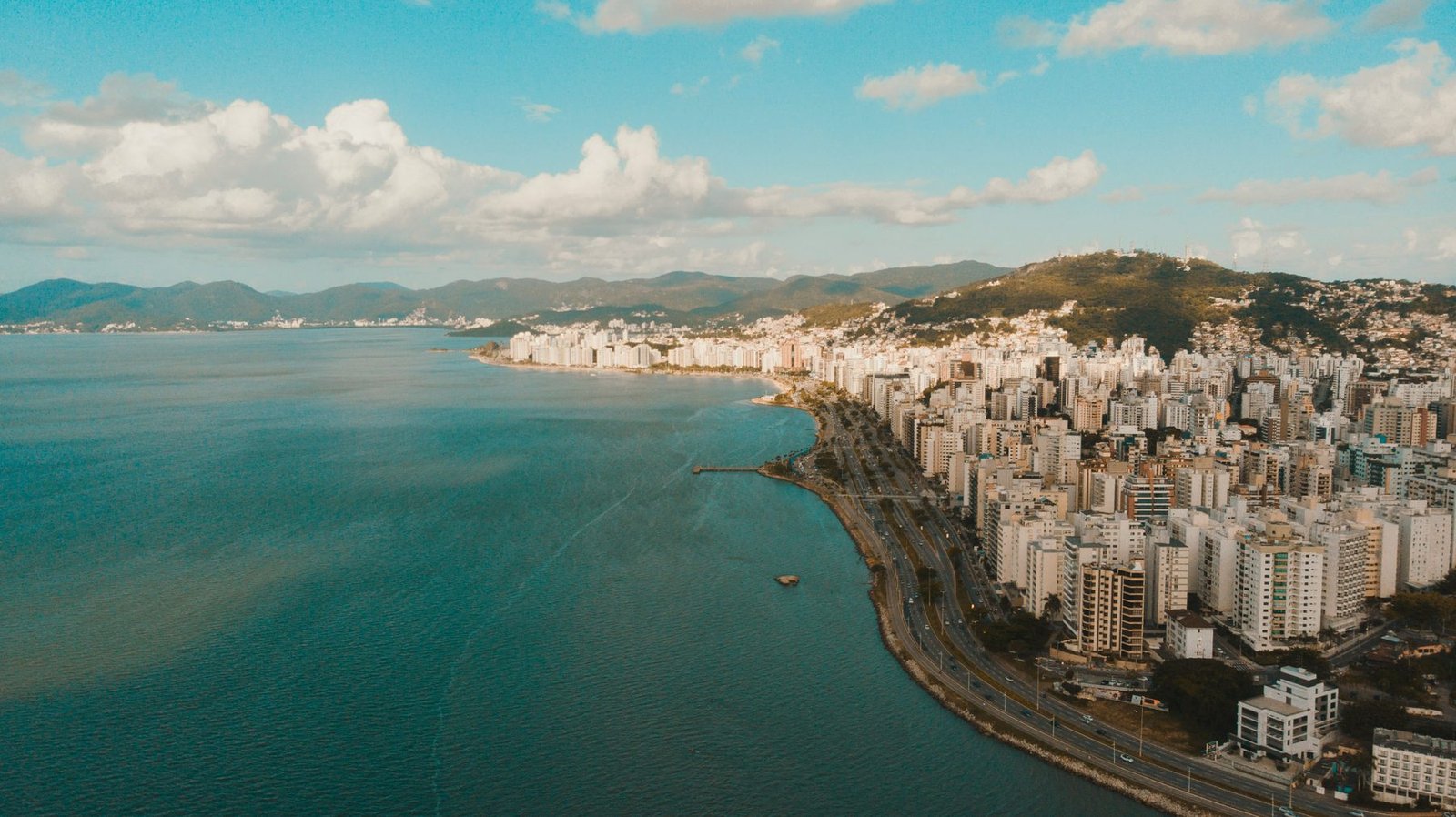
Aerial view of a dense row of white apartment towers following a curved shoreline road beside calm green water, with hills behind
Apartment blocks along the bay, Florianópolis. Photo: Gabriel Rodrigues.
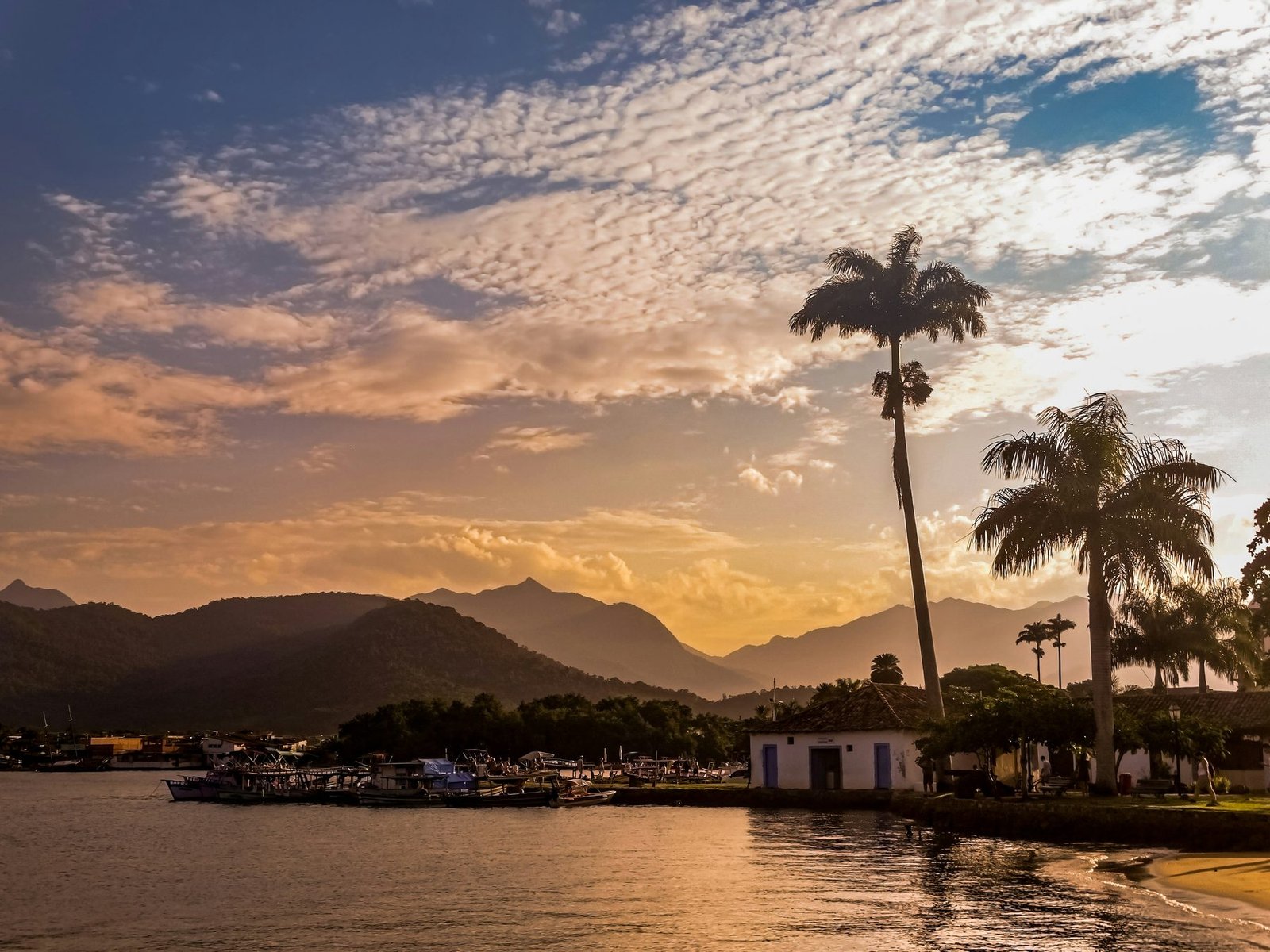
Silhouetted royal palms and a low white building on a bay shore, with mountains behind and an orange sky of broken cloud
Palms on the waterfront at sunset, Paraty. Photo: Filipe Freitas.
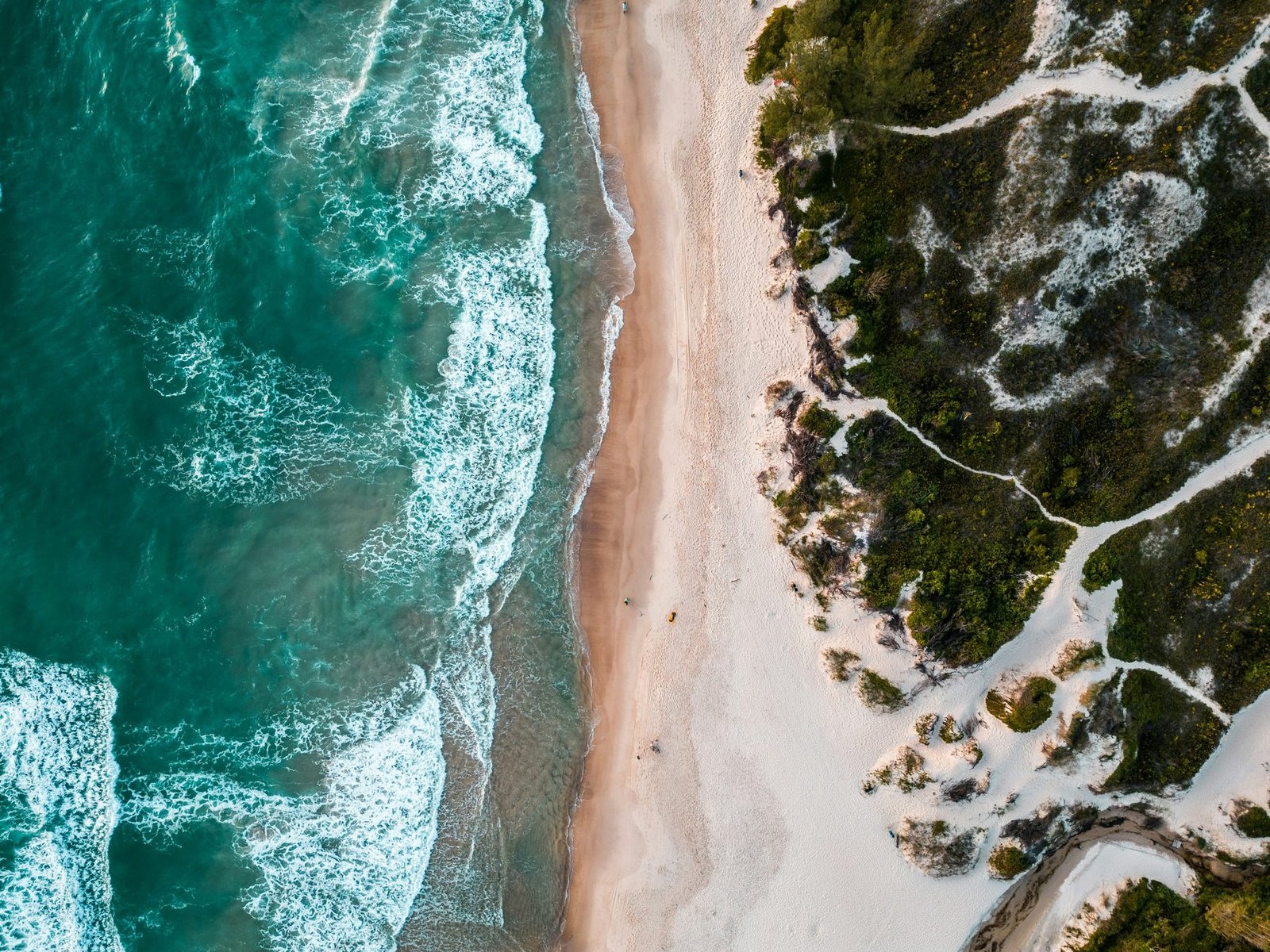
Directly overhead view of turquoise surf breaking on a strip of pale sand beside scrub-covered dunes crossed by footpaths
Surf and dunes from the air, Praia do Rosa, Santa Catarina. Photo: Marcelo Alves.

What to watch

Six Things for 2027

  1. The runoff. October 25, 2026. The winner decides what happens to the incentive laws and to the ministry that administers them.
  2. The 37th Bienal de São Paulo. Carneiro and Fonseca have yet to name a title, a team, or dates, and the money has to be raised in the first year of the next presidential term.
  3. The map. Whether the Southeast’s share of incentive money, R$2.45 billion of R$3.41 billion in 2025, moves at all in the 2026 figures.
  4. Direct funding. Whether states and municipalities spend their Aldir Blanc transfers, and at what level the next budget funds them.
  5. The tax on art. The rate that applies to gallery sales and imports once the new consumption taxes take effect.
  6. The Museu Nacional. Whether the remaining R$170 million is found and the 2029 date holds.

Sources. Election: AFP in Folha de Pernambuco; Estado de Minas. Funding: Propmark; IstoÉ Dinheiro; Times Brasil; Agência Tatu; Observatório da Cultura do Brasil in Congresso em Foco; Portal de Prefeitura; Agência Brasil in Jornal do Brasil; A Tarde; TVT News. Bienal de São Paulo: Fundação Bienal de São Paulo and its touring program; Forbes Brasil; Brazil Journal; The Art Newspaper; Diário do Pará. Museums: CNN Brasil on MASP; Agência Brasil on the MASP tower; Wanderlust; arte!brasileiros; O Estado de S. Paulo in Diário do Grande ABC; Money Times; Agência Brasil in CNN Brasil on Inhotim; Forbes Brasil on Inhotim; Diário do Grande ABC on the Museu Nacional; Brasilturis. Market: Forbes Brasil on the ABACT survey; Art Basel and UBS Global Art Market Report 2026; Forbes Brasil on Art Basel; O Estado de S. Paulo on SP-Arte; The Rio Times; Portal Tela; Agência Brasil on ArtRio; Diário do Rio; Folhapress in Jornal do Comércio; Forbes Brasil on the tax reform. Venice and the regions: The Art Newspaper on the 2024 pavilion; Biennial Foundation on the 2026 pavilion; Museu Oscar Niemeyer; Brasil de Fato; ArtReview; Biennial Foundation on the Bienal das Amazônias; The Art Newspaper on Belém; the Biennale directory for event dates. Figures are as published by those sources; event dates should be confirmed with organizers. Corrections: contact@biennale.nyc.